Healthcare & Hospital Drain Cleaning Services Across Ontario
In a healthcare setting, drainage problems carry a different weight. A blocked drain or backed-up line isn’t just an operational nuisance. it’s a potential infection control risk, a disruption to patient care, and an issue that has to be handled with a level of care and discretion that goes beyond a typical commercial job.
We provide drain cleaning and maintenance services for hospitals, clinics, and healthcare operations across Ontario, helping hospital facilities management teams keep drainage systems running safely and reliably, without interrupting the care being delivered around them.
Our healthcare drain maintenance services
We support hospitals, clinics, and healthcare facilities across Southern Ontario with drain and drainage maintenance services built around the sensitivity and safety standards of a clinical environment.
Hospital & Clinical Drain Line Cleaning
Cleaning and hydro-jetting of sanitary drain lines throughout patient care areas, labs, and support spaces, restoring flow while following infection control protocols specific to your facility.
Floor Drain & Utility Area Cleaning
Cleaning of floor drains in patient rooms, utility rooms, and support areas to prevent slow drainage, standing water, and odour issues in sensitive clinical spaces.
Grease Trap & Kitchen Drain Cleaning
Pump-out and cleaning of grease traps and kitchen drainage systems serving hospital and healthcare facility food services, keeping cafeteria and kitchen operations compliant and running smoothly.
Catch Basin & Site Drainage Maintenance
Cleaning of catch basins and exterior drainage infrastructure to manage stormwater and reduce flooding risk around facility grounds, ambulance bays, and parking areas.
Emergency Drain Response
Rapid, priority drain response for blocked or backed-up drains, recognizing that healthcare facilities cannot tolerate the same downtime windows as other commercial properties.
CCTV Drain Inspections
Camera inspection to diagnose recurring drainage issues, verify a line is fully clear following service, or support facility condition assessments and capital planning.
Scheduled Preventive Drain Maintenance
Our preventative drain maintenance programs timed to minimize disruption to patient care areas, reducing the likelihood of emergency callouts in the spaces where they matter most.
Waste Transport & Disposal
Transport and disposal of waste material in accordance with municipal, provincial, and healthcare facility regulations, with documentation available to support compliance and accreditation records.
Need Professional Healthcare Drain Maintenance?
With hospital drain maintenance expertise since 1990, we ensure your healthcare facility continues operating without any major drain disruptions.
Our Healthcare Drain Cleaning Process
Assess
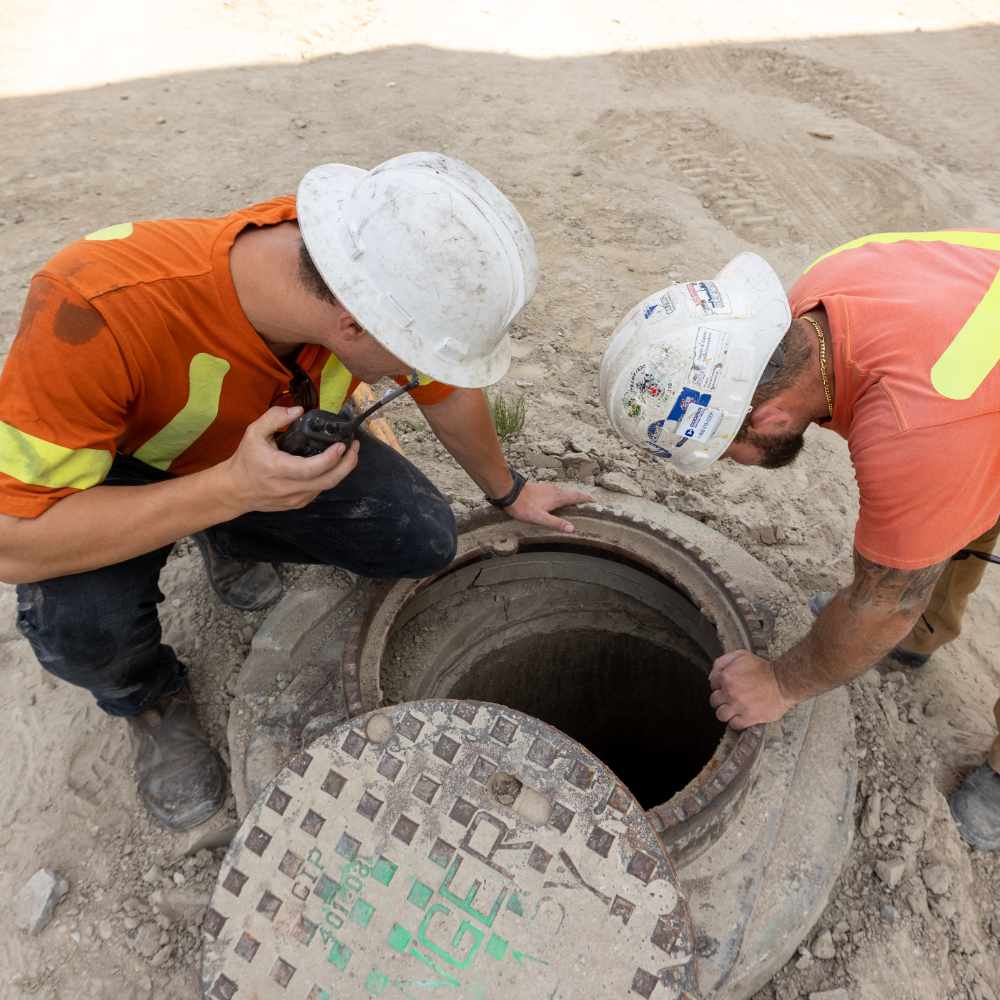
Before any work begins, our healthcare drain cleaning expert will assess the drainage system and the specific issue at hand, whether that’s a scheduled maintenance visit, a slow drain in a patient care area, or an active blockage. We coordinate directly with your facilities management and infection prevention and control teams to understand any access restrictions, PPE requirements, or scheduling constraints tied to sensitive areas, and we plan the work to minimize any impact on patient care.
Complete
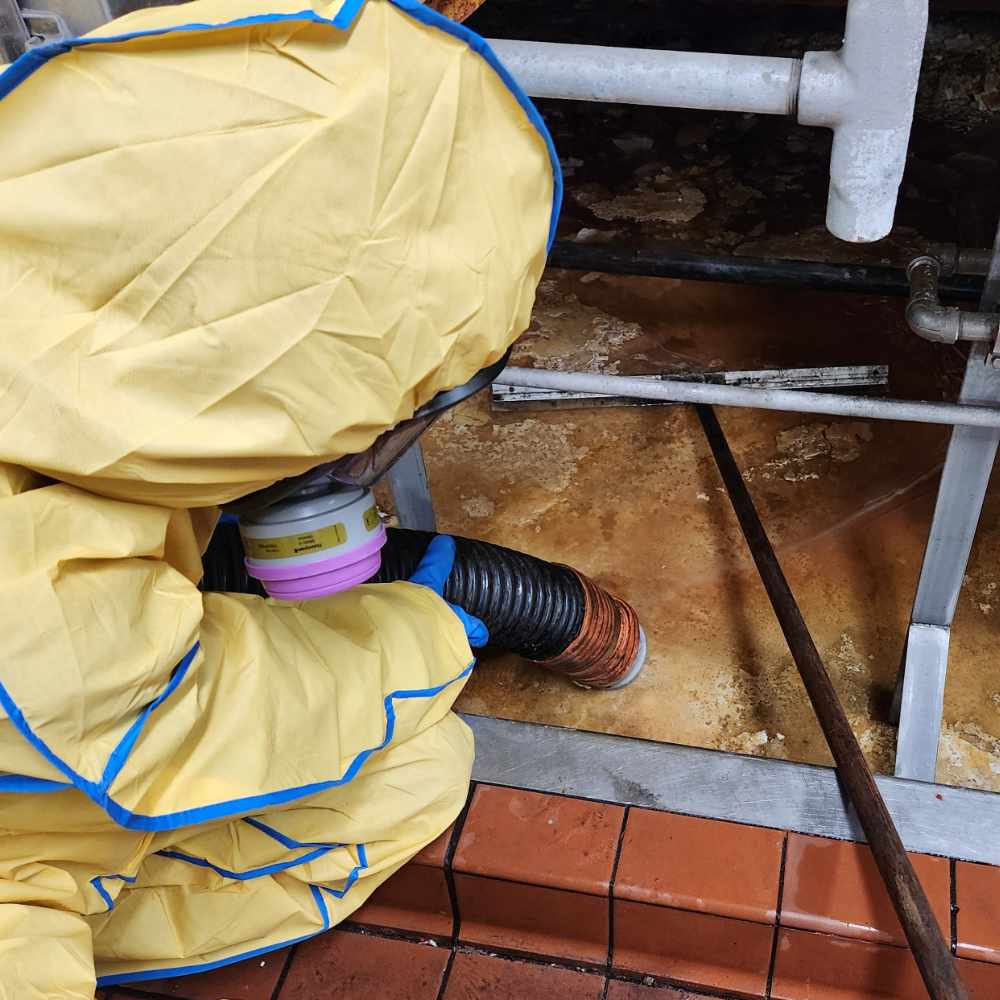
With the site assessed, our healthcare drain cleaning team will carry out the work following your facility’s protocols alongside our own, whether that’s hydro-jetting a clinical area drain line, clearing a floor drain, or servicing a kitchen grease trap. Crews are mindful of noise, containment, and cleanliness throughout, recognizing that this work is happening in close proximity to patients, staff, and sensitive equipment.
Ensure
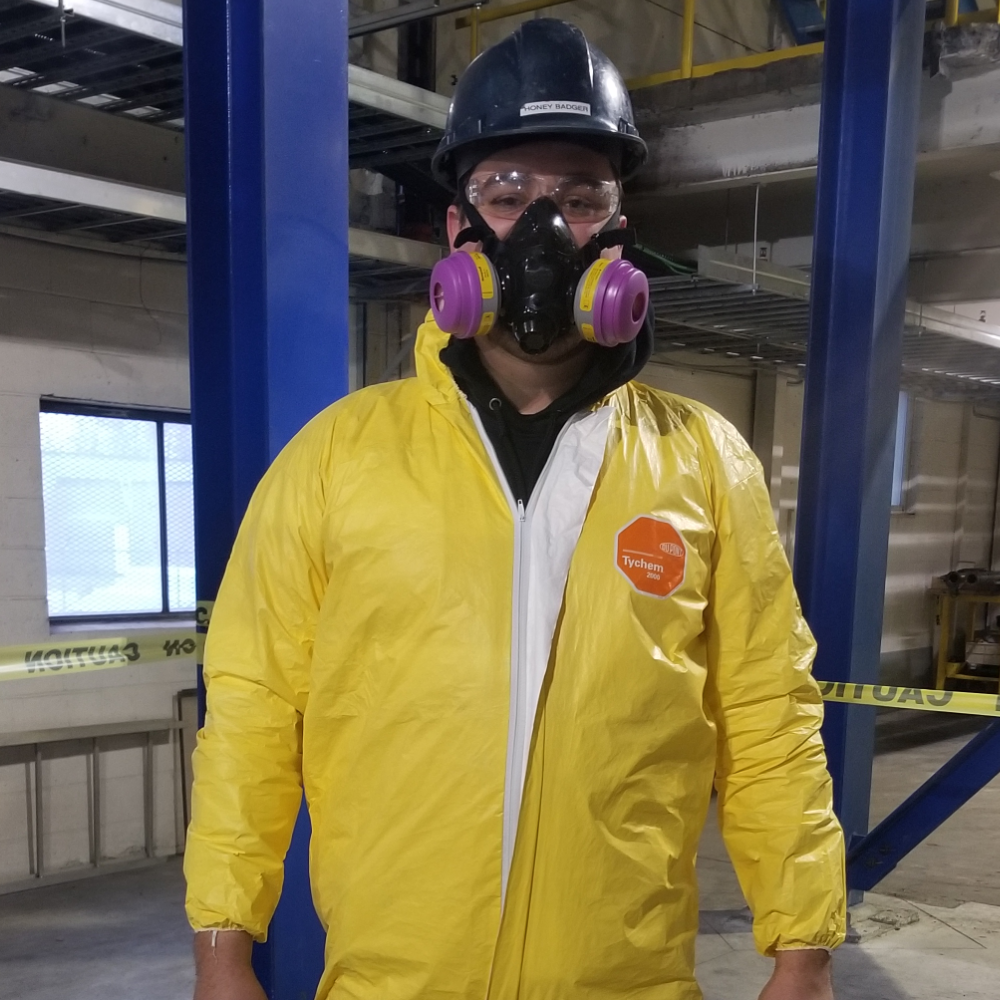
Once the work is complete, crews confirm the results, using camera inspection where needed to verify a line is fully clear and unlikely to cause a repeat issue. Every job is documented with details on the work performed and protocols followed, giving your facilities team a clear record to support internal reporting, accreditation requirements, and infection control documentation.
Keeping systems clear, safe & compliant
24/7 emergency availability
We know that emergencies can strike at any time. That’s why we always have staff on -call to meet your biggest challenges when you need it most.

Anti-pathogen cleaning systems
Our cleaning systems can help ensure that food safety requirements are always exceeded in your facility. Our technicians are trained and certified in a systemic prevention approach to food safety.

Flexible service, less downtime
We understand that your schedule is crucial. At Aqua, we work around your business hours to ensure our service is performed at a time that won’t interrupt your work, keeping downtime to a minimum.
Industrial-grade tools to blow your biggest problems out of the water
We have industrial-grade trucks and equipment that you won’t find at your average plumber. We’ve never met a clog we can’t unplug.
Fully certified experts in food processing facilities
Our team brings over 30 years of experience resolving pipe, drain and industrial cleanup challenges for food & beverage processing facilities. Our team is fully licensed and certified to ensure compliance with the food processing industry's rigorous health and safety regulations.
Commercial Certifications & Associations To Meet Your Business' Needs
Trusted by industry leaders

QuadReal Property Management: Preventative Drain Maintenance To Avoid Costly Drain Emergencies
Discover how Aqua Fast Flush’s proactive drain maintenance program has helped QuadReal protect its 400,000-square-foot Toronto retail centre by preventing drain backups, reducing operational risk, and keeping tenants and customers moving without disruption.
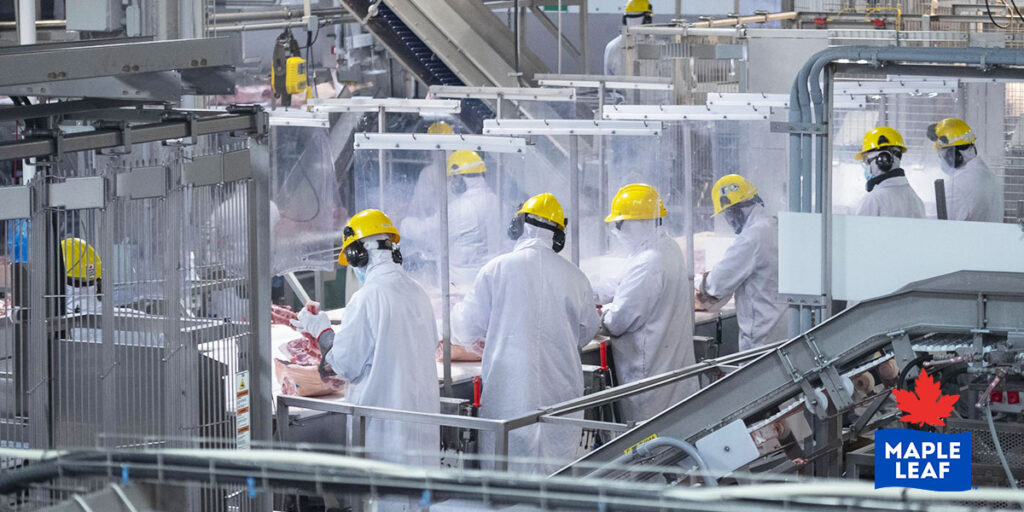
A Trusted Drain Care Service Partner for Maple Leaf Foods
It’s an old plant, very easy to get lost in, but Jonathan and his crew know their way around so well.
As maintenance planner and scheduler at the Maple Leaf Foods processing plant in Toronto, Victor Silva appreciates the expertise of drain cleaning professionals.
Frequently Asked Questions For Hospital Drain Cleaning Services
Why do hospitals require specialized professional drain cleaning services?
Hospitals operate in one of the most demanding and compliance-driven environments of any commercial or institutional facility. Clinical waste, pharmaceutical residue, surgical suite drainage, commercial kitchen grease, laundry waste, and high-frequency sanitary use across every ward and department place extraordinary stress on hospital drainage infrastructure around the clock. A drainage failure in a hospital setting is never just a maintenance issue; it is a patient safety event, an infection control risk, and a regulatory concern. Professional drain cleaning by technicians experienced in healthcare environments is essential to protecting patients, staff, and the facility itself.
What drainage systems in a hospital require regular professional maintenance?
Surgical suite floor drains, clinical washroom drains, sterile processing department drainage, commercial kitchen and cafeteria grease lines and interceptors, laundry facility floor drains, morgue drainage systems, laboratory drain lines, parking structure catch basins, roof drains, and underground sanitary mains all require routine cleaning and inspection. In a hospital, no drainage system is low priority, every part of the infrastructure supports critical operations and patient care environments.
How does hospital drain maintenance differ from standard commercial drain cleaning?
Hospital drain systems carry a unique combination of clinical waste, pharmaceutical compounds, biological material, and chemical disinfectants that standard commercial drainage rarely encounters. Technicians servicing hospital drain infrastructure must follow strict infection control protocols, understand the sensitivity of clinical environments, and work in coordination with hospital facilities and infection prevention teams to ensure every service visit meets the facility’s safety and hygiene standards. Experience in healthcare environments is not optional, it is a requirement.
What are the infection control risks associated with neglected hospital drains?
Neglected hospital drains can harbor and spread dangerous pathogens including Pseudomonas aeruginosa, Candida auris, and carbapenem-resistant organisms that thrive in moist, organic-rich drain environments. Contaminated floor drains in clinical areas have been linked to healthcare-associated infection outbreaks in facilities worldwide. Regular professional drain cleaning reduces biofilm accumulation, eliminates standing organic matter, and significantly lowers the risk of drain-associated pathogen transmission in patient care areas.
How does Aqua Fast Flush work within the strict protocols of a hospital environment?
Our technicians understand that hospitals operate under infection control standards, visitor and patient flow requirements, and departmental sensitivities that are unlike any other commercial environment. We coordinate all service visits directly with hospital facilities managers, infection prevention and control teams, and department heads to ensure access is properly arranged, appropriate precautions are in place, and service is completed with full respect for the clinical environment and the patients within it.
What drain cleaning methods are used in hospital environments?
We use industrial high-pressure hydro jetting to thoroughly clear drain lines, floor drains, and sanitary connections of organic buildup, biofilm, and debris, combined with vacuum equipment to service catch basins, grease interceptors, and larger drainage infrastructure. All work in clinical areas is performed in strict accordance with the facility’s infection control and safety protocols, and all materials removed from hospital drainage systems are handled and disposed of in compliance with applicable regulations.
How often should hospital drainage systems be professionally cleaned?
Maintenance frequency depends on the size of the facility, patient volume, and the specific demands of individual departments. High-risk clinical areas, surgical suites, and sterile processing departments benefit from more frequent drain maintenance given their infection control requirements. Kitchen and cafeteria grease lines and interceptors typically require monthly or bi-monthly service, while parking structure catch basins and exterior storm drainage should be cleaned seasonally. A comprehensive drainage assessment is the most reliable way to establish the right maintenance schedule for your facility.
Does Aqua Fast Flush provide emergency drain services for hospitals?
Yes. Drainage emergencies in a hospital cannot be deferred. A backup in a surgical suite, a flooded clinical washroom, or an overflowing kitchen drain during active patient care operations demands an immediate, professional response. Aqua Fast Flush provides emergency drain cleaning services for hospitals and healthcare facilities across Southern Ontario, responding quickly and working within your facility’s protocols to restore drainage and protect patient care continuity.
How do we establish a drain maintenance program for our hospital or healthcare facility?
Contact Aqua Fast Flush to arrange a comprehensive drainage assessment of your facility. We work with hospital facilities managers, plant operations directors, and infection prevention teams across Southern Ontario to develop customized drain maintenance programs that address every system in the facility; from surgical suite floor drains to underground sanitary mains, keeping your hospital infrastructure clean, compliant, and fully operational in support of patient care every hour of every day.