Tank and Interceptor Cleaning Services
Every commercial property that handles food preparation, industrial processes, or significant volumes of wastewater relies on tanks and interceptors to protect the municipal sewer system from grease, solids, and other materials that should never enter the public drainage network. These systems work quietly in the background, but when they are neglected they create some of the most disruptive and costly drainage problems a business can face.
Grease interceptors, oil and grit separators, holding tanks, and similar infrastructure have a finite capacity. As they fill with accumulated grease, solids, and wastewater, their ability to function correctly diminishes. An interceptor that is not cleaned on a regular schedule will eventually overflow, allow grease and solids to pass through into the municipal sewer, and create backups that affect your entire drainage system. For businesses in the food service, hospitality, automotive, and industrial sectors, the consequences of neglected tank and interceptor maintenance extend beyond operational disruption to include regulatory fines, health code violations, and potential environmental liability.
Our tank and interceptor cleaning service is built for commercial and industrial operators who understand the importance of keeping these critical systems maintained and compliant. We provide professional pumping, cleaning, and inspection services for a full range of tank and interceptor types, working around your schedule to deliver thorough and compliant service with minimal disruption to your operations. Whether you need a one-time cleanout or a regularly scheduled maintenance program, we have the equipment and expertise to keep your systems performing as they should.
Professional tank cleaning solutions to meet your business’ needs
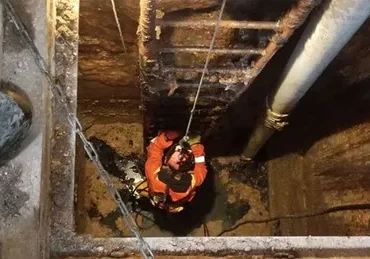
Since 1990, we’ve handled nearly every type of material in tanks, pits, manholes, interceptors, and other confined spaces. We’re well-positioned to guide you to the precise solution and resolve your issue quickly and effectively.
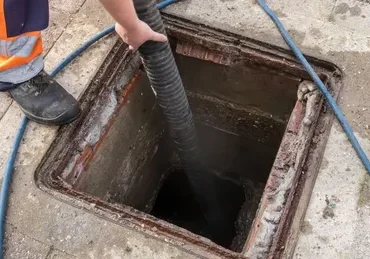
Commercial Tank & Interceptor Cleaning Services
Storage tanks, oil-grit separators, and interceptors require regular cleaning to function properly and stay compliant with environmental regulations. We provide commercial tank and interceptor cleaning services across Ontario, helping municipalities and commercial clients remove accumulated sludge, grease, and sediment before it impacts system performance or leads to regulatory violations.
Oil-Grit Separator (OGS) Cleaning
Removal of accumulated sediment and debris from oil-grit separators used in stormwater management systems, restoring treatment capacity and preventing untreated discharge into storm sewers or waterways.
Grease Interceptor Cleaning
Pump-out and cleaning of grease interceptors and traps to remove built-up fats, oils, and grease, reducing the risk of blockages, odour issues, and non-compliance penalties for commercial and institutional facilities.
Storage Tank Cleaning
Cleaning of above-ground and underground storage tanks, including removal of sludge, sediment, and residual material, to maintain tank integrity and prepare tanks for inspection, decommissioning, or continued service.
Wet Well & Lift Station Cleaning
Removal of accumulated grit, debris, and fats from wet wells and lift stations to protect pump equipment, maintain flow capacity, and reduce the risk of unplanned equipment failure.
Holding Tank & Septic Tank Pump-Outs
Scheduled and on-demand pump-outs for holding tanks and septic systems, keeping systems within capacity and operating as intended.
Dissolved Air Flotation (DAF) Tank Cleaning
Over time, sludge, grease, and scum buildup in your Dissolved Air Flotation (DAF) tanks can reduce treatment efficiency, strain equipment, and lead to costly downtime. Our professional DAF tank cleaning service removes accumulated solids, biofilm, and residue quickly and safely; restoring your system’s full separation efficiency and extending the life of your equipment.
Waste Transport & Disposal
All extracted material is transported and disposed of in compliance with municipal and provincial waste handling regulations, with manifests and documentation available to support environmental compliance and reporting.
Our Tank and Interceptor Cleaning Process
We follow a thorough and professional process on every tank and interceptor cleaning job to ensure complete removal of accumulated material, a clean and inspected unit, and full compliance with applicable regulations.
Assess
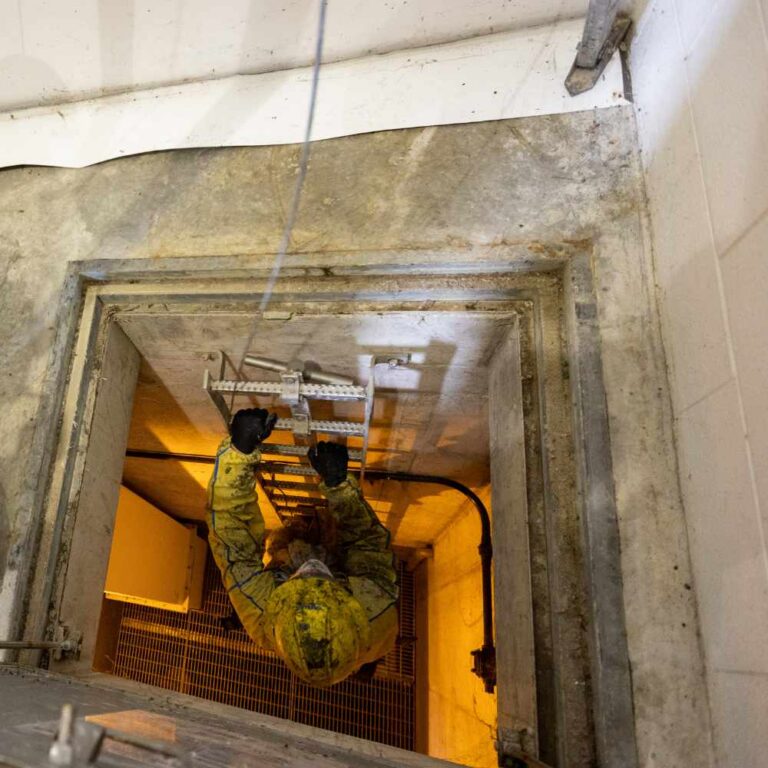
Before any tank cleaning service begins, our commercial tank cleaning specialist will inspect the tank or interceptor to evaluate its current condition and the volume of accumulated grease, solids, and wastewater present. We check the inlet and outlet baffles, inspect the lid and access points, and note any visible signs of damage or wear. For new clients or properties where service history is unknown, this assessment also establishes a baseline for future maintenance scheduling based on the actual rate of accumulation at your specific location.
Complete
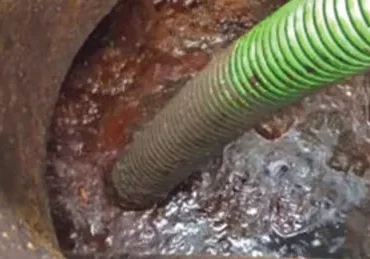
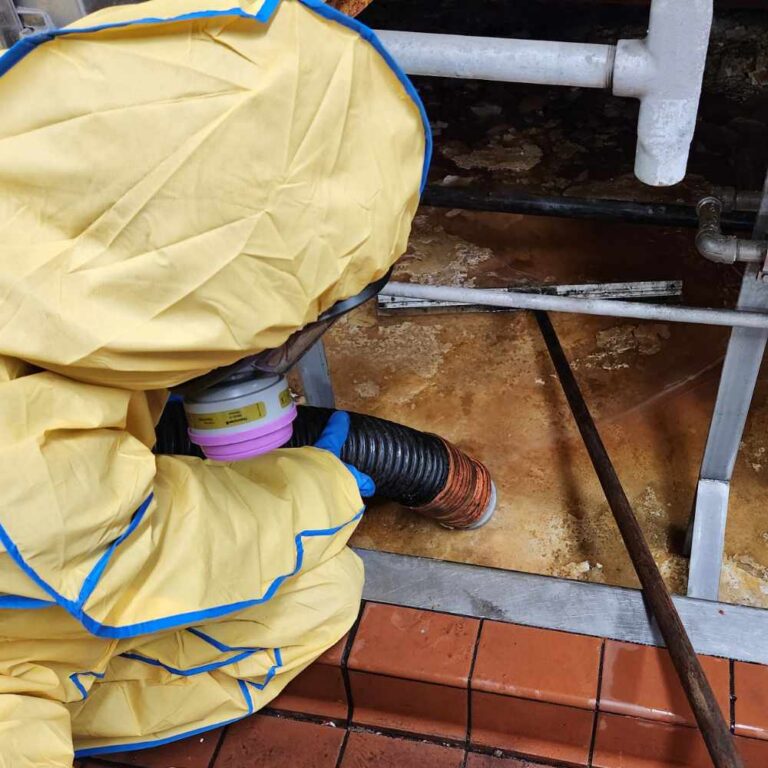
Using our industrial vacuum trucks, we remove the full contents of the tank or interceptor including accumulated grease, floating solids, wastewater, and settled sludge. Once fully emptied, we clean the interior surfaces using high-pressure water to remove residual grease, biofilm, and buildup from the walls, baffles, and base of the unit. With the tank clean and empty, we carry out a detailed inspection of all components including baffles, tank walls, access lids, and the overall structural condition of the unit. All extracted material is transported and disposed of in full compliance with provincial environmental regulations and local municipal requirements, with documentation provided confirming compliant disposal.
Ensure
We walk you through our findings in plain language, confirming what is in good condition and explaining any issues such as damaged baffles, cracks, or deteriorating components that require attention. All findings are documented and provided as a written service record including the condition of the unit, the volume of material removed, and any recommendations. We then work with you to confirm or adjust your tank maintenance schedule based on the rate of accumulation observed, helping you find the right service interval for your operation and keeping your maintenance on track with reminders and flexible scheduling.
The confined space experts
Aqua Fast Flush boasts the equipment and expertise to offer the best full-service tank & pit cleaning solutions on the market.
Fully certified expert technicians
Our team brings over 30 years of experience resolving pipe, drain and industrial cleanup challenges for food processing, agricultural, multi-unit residential, commercial, and construction operations.

5,000 PSI gets results
Our high-pressure hot water flushing system, rated at 5,000 psi, cuts through oil, grease, scale, and other tough buildups.

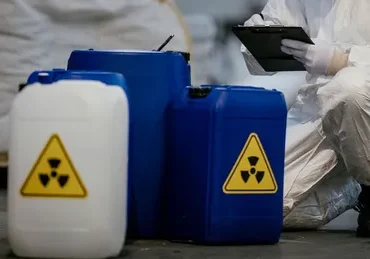
Confined-space & hazmat certified
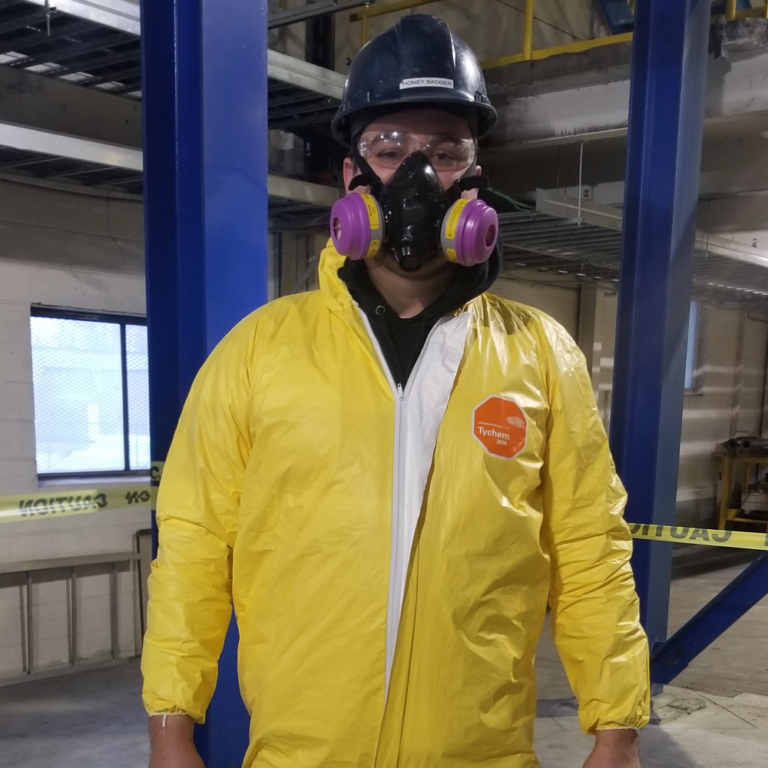
Our team has the training and certification to handle your confined spaces safely and effectively. Resolve your issues fast and ensure regulatory compliance when you choose to work with us.

We handle offsite disposal
Our fleet has a capacity of 133,000 litres available to dispose of your hazardous waste materials in approved facilities across the region.
“Aqua Fast Flush never fails. I can go home and relax, and I know there is going to be a follow-up call right away and I know that the job will be done right the first time...”
Victor Silva
Maintenance planner, Maple Leaf Foods
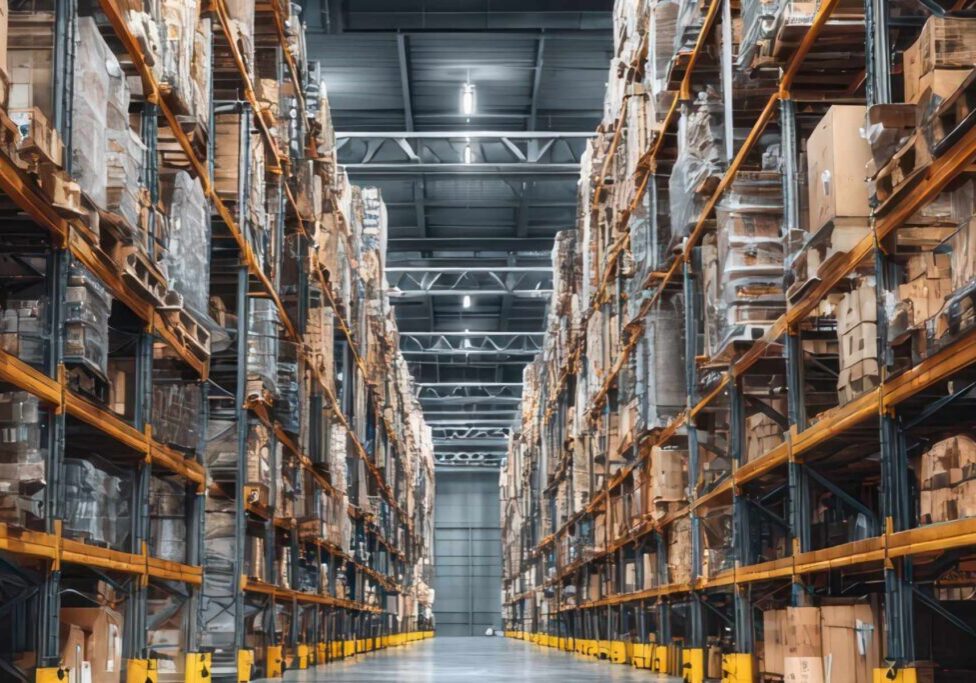
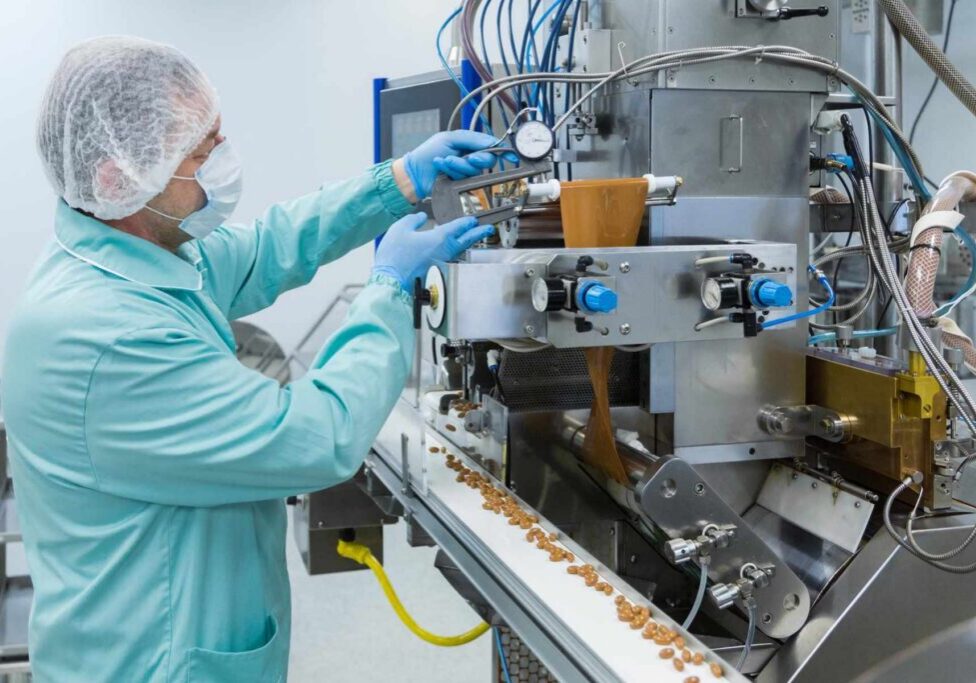
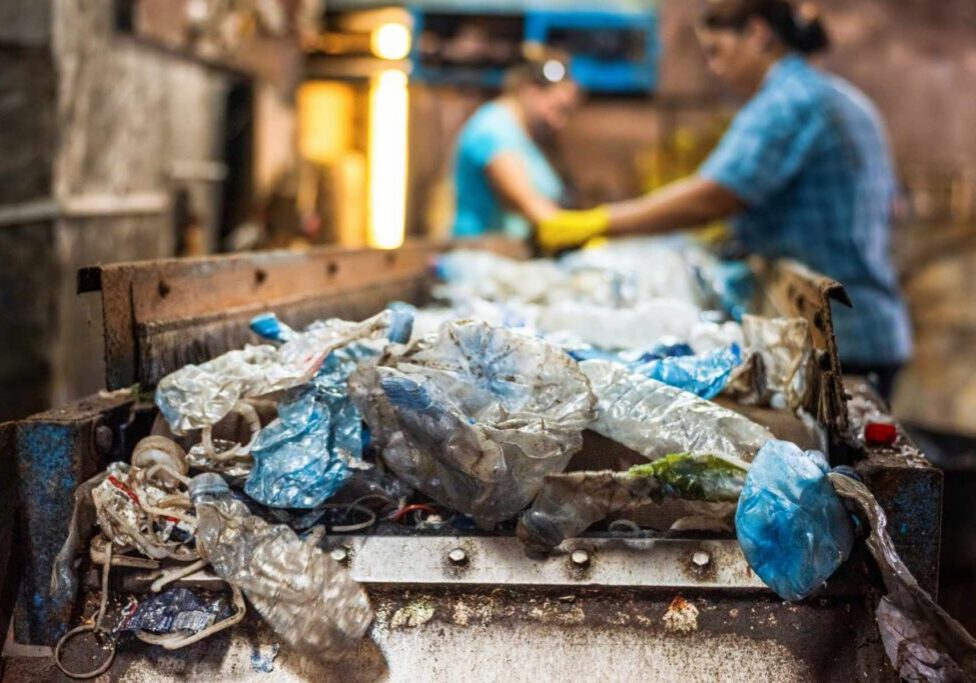
Industries relying on our Tank & Interceptor Cleaning expertise





Frequently Asked Questions About Tank and Interceptor Cleaning
How often does my grease interceptor need to be cleaned?
The required cleaning frequency for a grease interceptor depends on the volume of food preparation and wastewater your business generates on a daily basis. As a general guideline, most municipalities require that grease interceptors are cleaned before they reach 25 percent capacity with grease and solids, which is commonly referred to as the 25 percent rule.
In practice, this means high-volume restaurants, hotel kitchens, and food processing facilities may require cleaning every four to eight weeks, while smaller food service operations with lower output may be able to go two to three months between services. Your local municipality may also have specific bylaws governing interceptor maintenance frequency and record keeping requirements. Our technicians can assess your interceptor after the first service visit and give you a recommended cleaning interval based on the actual accumulation rate at your location.
What happens if my interceptor is not cleaned regularly?
A neglected grease interceptor creates a chain of problems that escalates quickly. As the unit fills beyond its capacity, grease and solids begin to pass through the outlet and into the municipal sewer line. This leads to blockages in your building drain lines, backups inside your facility, and potential damage to the municipal sewer infrastructure downstream.
Municipalities across Ontario actively enforce grease interceptor maintenance requirements, and businesses found to be non-compliant can face significant fines, mandatory inspections, and in serious cases, orders to cease operations until the drainage system is brought into compliance. Beyond the regulatory consequences, a backup caused by an overloaded interceptor during a busy service period can result in lost revenue, food safety concerns, and reputational damage that is difficult to recover from quickly.
Do you service all types of tanks and interceptors?
Yes. We service the full range of tank and interceptor types found in commercial and industrial settings. This includes under-sink grease traps used in smaller food service operations, large in-ground grease interceptors serving high-volume restaurants, hotels, and institutional kitchens, oil and grit interceptors used in automotive facilities and vehicle maintenance operations, holding tanks and collection tanks at properties without direct sewer connections, and industrial process tanks at manufacturing and processing facilities.
If you are unsure about the type of interceptor or tank on your property or whether it falls within the scope of our services, contact us and we will work with you to assess your system and determine the right approach.
How do I know if my interceptor needs to be serviced sooner than scheduled?
There are several warning signs that indicate your interceptor may need attention before its next scheduled service. Slow drains or backups in your kitchen or facility, foul odours coming from floor drains or the area around the interceptor, visible grease or solids in areas where they should not be present, and gurgling sounds from drain fixtures are all indicators that your interceptor may be approaching or exceeding capacity.
If you notice any of these signs between scheduled service visits, contact us promptly rather than waiting for the next appointment. Addressing an overloaded interceptor before it overflows is far less disruptive and less costly than dealing with the backup, cleanup, and potential compliance issues that follow an overflow event.