Drain Maintenance Services for Environmental Biodigestion Facilities Across Ontario
Anaerobic digestion and biodigestion facilities depend on consistent flow through tanks, pipes, and drainage systems to operate efficiently and safely process organic waste into biogas and digestate. We provide commercial maintenance services for biodigestion facilities across Ontario, helping operators keep feedstock lines, digestate piping, tanks, and site drainage clear of buildup, sediment, and blockages that can reduce throughput or force unplanned downtime. Whether you’re managing a municipal organics processing facility, an on-farm digester, or an industrial biogas operation, our crews understand the operational stakes of keeping a facility running at capacity.
Adding value to our clients with our experience and full scope of drain maintenance services
We support biodigestion facility operators, municipal organics processing sites, and industrial biogas operations across Southern Ontario with maintenance services built for the demands of continuous processing infrastructure.
Digestate & Feedstock Pipe Flushing
Flushing of feedstock intake lines and digestate transfer piping to remove sediment, grit, and organic buildup that restricts flow and reduces processing efficiency.
Tank & Digester Cleaning
Cleaning of digester tanks, storage tanks, and holding tanks to remove accumulated sludge, grit, and settled solids, supporting consistent processing performance and scheduled maintenance shutdowns.
Power Vacuuming
High-capacity vacuum truck services to remove grit, sediment, and settled solids from tanks, sumps, and collection points across the facility.
Site Drainage & Catch Basin Maintenance
Cleaning and maintenance of site drainage, catch basins, and stormwater infrastructure to manage runoff and prevent flooding across facility grounds.
CCTV Pipe & Tank Inspections
Camera inspection of piping and tank interiors to identify blockages, buildup, scaling, or structural concerns before they affect facility throughput or require emergency intervention.
Grit & Sediment Removal
Targeted removal of grit and heavy sediment that settles in feedstock lines, digesters, and holding tanks, protecting pumps and mechanical equipment from premature wear.
Emergency Blockage Response
Rapid drainage response for blocked feedstock or digestate lines, minimizing downtime and reducing the risk of process disruption or facility backup.
Scheduled Preventive Drain Maintenance
Preventative drain maintenance programs timed around your facility’s operational schedule and planned shutdowns, reducing the risk of unplanned downtime during active processing periods.
Waste Transport & Disposal
Transport and disposal of removed grit, sludge, and residual material in accordance with municipal and provincial environmental regulations, with documentation available for compliance and reporting.
Need Professional Environmental Facility Drain Cleaning?
With professional environmental facility drain maintenance expertise since 1990, we ensure your commercial environmental business continues operating without any major drain disruptions.
Our Environmental & Bio-Digestion Drain Maintenance Process
Assess
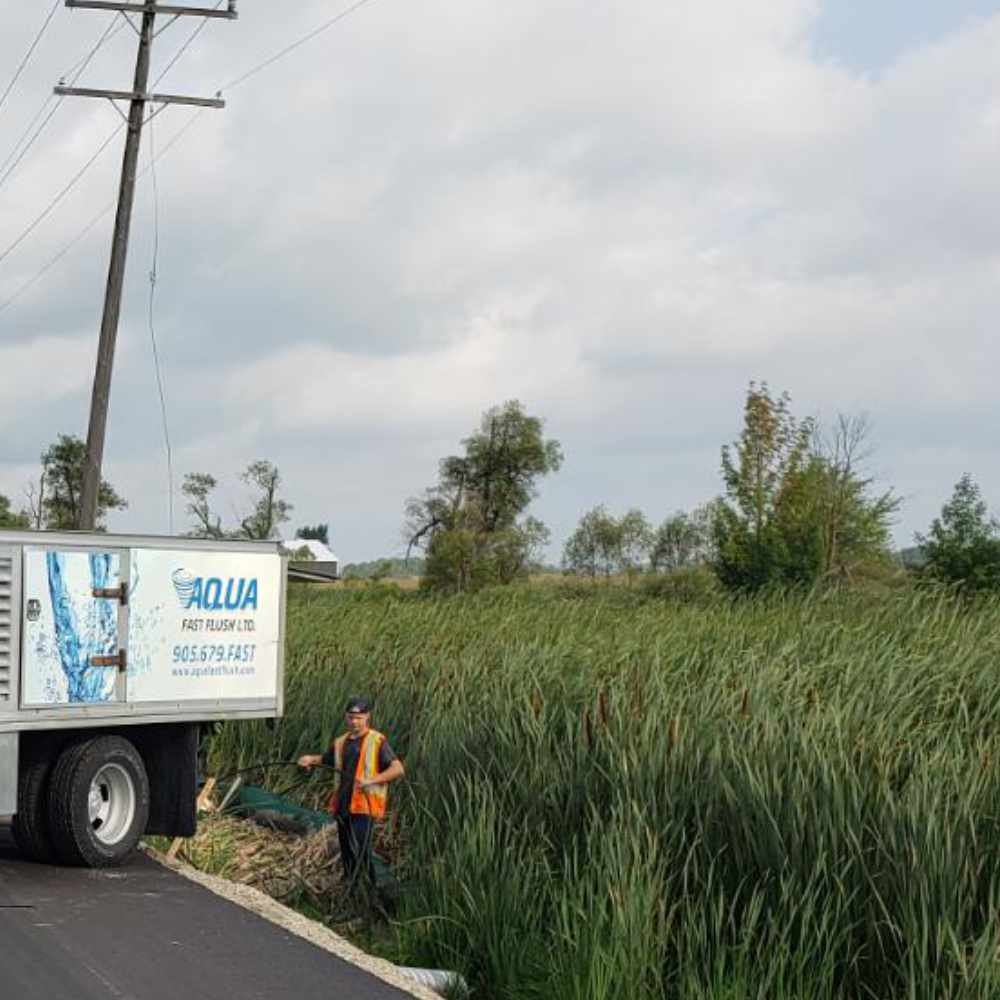
Before any work begins, crews assess the affected system, whether that’s a feedstock intake line, a digestate transfer pipe, or a tank due for scheduled cleaning. This includes understanding the facility’s process flow and identifying which lines or tanks can be safely isolated for service, reviewing site-specific safety considerations related to biogas and confined space work, and coordinating timing around your facility’s operational schedule to minimize impact on throughput.
Complete
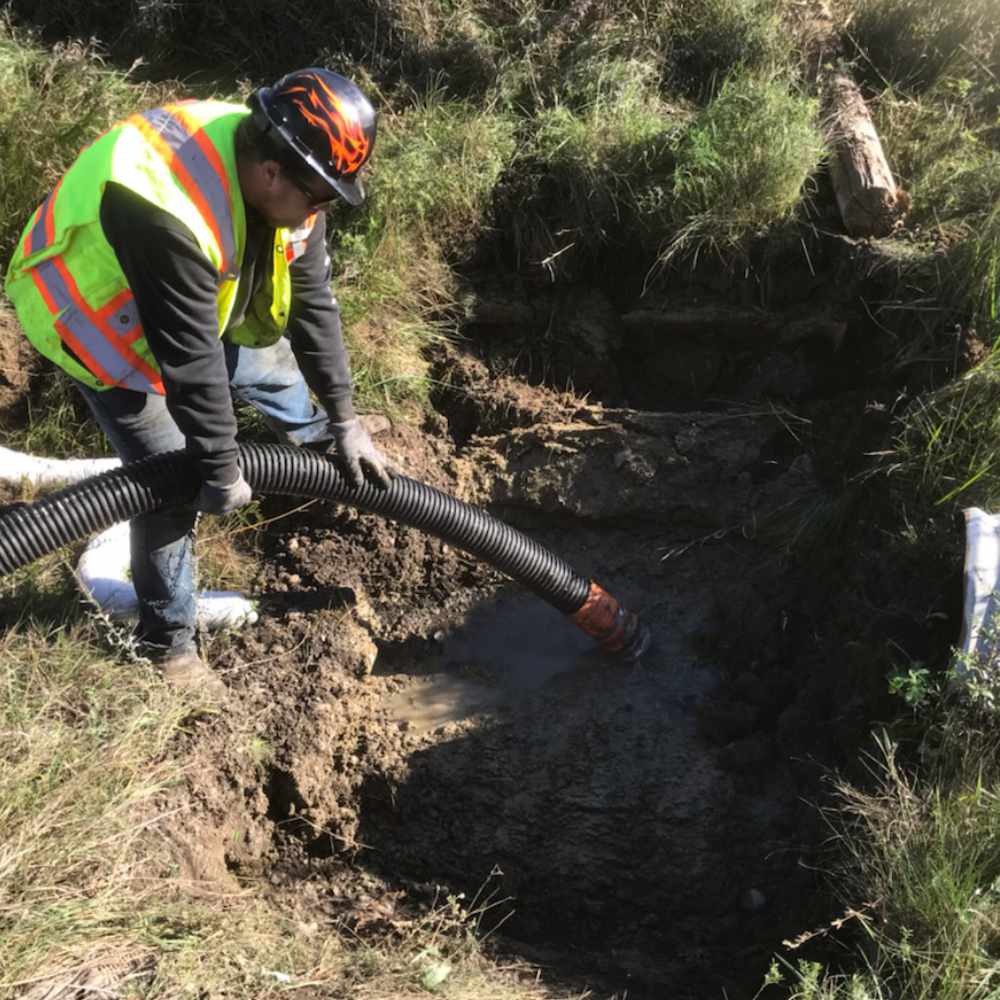
With the site assessed, our team will carry out flushing, jetting, or vacuuming work matched to the material being removed, whether that’s grit settled in a digester, sediment in a feedstock line, or buildup in site drainage. Work is planned and executed with facility safety protocols front of mind, including any confined space, biogas, or process isolation requirements specific to your operation, and crews coordinate closely with facility staff throughout.
Ensure
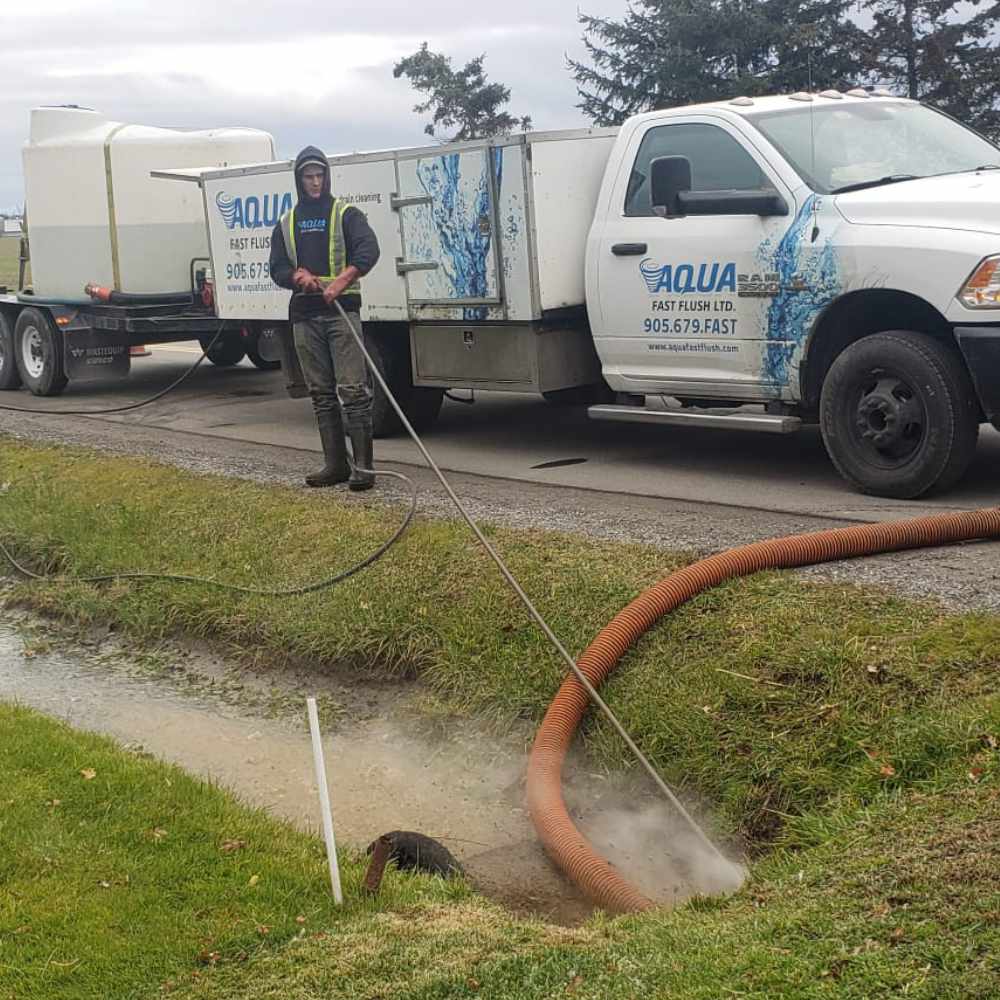
Once the work is complete, crews confirm the results, using camera inspection where appropriate to verify a line or tank is fully clear and ready to return to service. Every job is documented with details on the system serviced, material removed, and disposal method, giving your facility both restored capacity and the documentation needed to support environmental compliance, operational records, and maintenance planning going forward.
Fast & compliant waste extraction and disposal
Fully certified expert technicians
Our team brings over 30 years of experience resolving pipe, drain and industrial cleanup challenges for food processing, agricultural, multi-unit residential, commercial, and construction operations.

24/7 emergency availability
We know that emergencies can strike at any time. That’s why we always have staff on -call to meet your biggest challenges when you need it most.
Anti-pathogen cleaning systems
Our cleaning systems can help ensure that food safety requirements are always exceeded in your facility. Our technicians are trained and certified in a systemic prevention approach to food safety.

Flexible service, less downtime
We understand that your schedule is crucial. At Aqua, we work around your business hours to ensure our service is performed at a time that won’t interrupt your work, keeping downtime to a minimum.
Industrial-grade tools to blow your biggest problems out of the water
We have industrial-grade trucks and equipment that you won’t find at your average plumber. We’ve never met a clog we can’t unplug.

We handle offsite disposal
Our fleet has a capacity of 133,000 litres available to dispose of your hazardous waste materials in approved facilities across the region.
Commercial Certifications & Associations To Meet Your Business' Needs
Hear from our satisfied customers

QuadReal Property Management: Preventative Drain Maintenance To Avoid Costly Drain Emergencies
Discover how Aqua Fast Flush’s proactive drain maintenance program has helped QuadReal protect its 400,000-square-foot Toronto retail centre by preventing drain backups, reducing operational risk, and keeping tenants and customers moving without disruption.
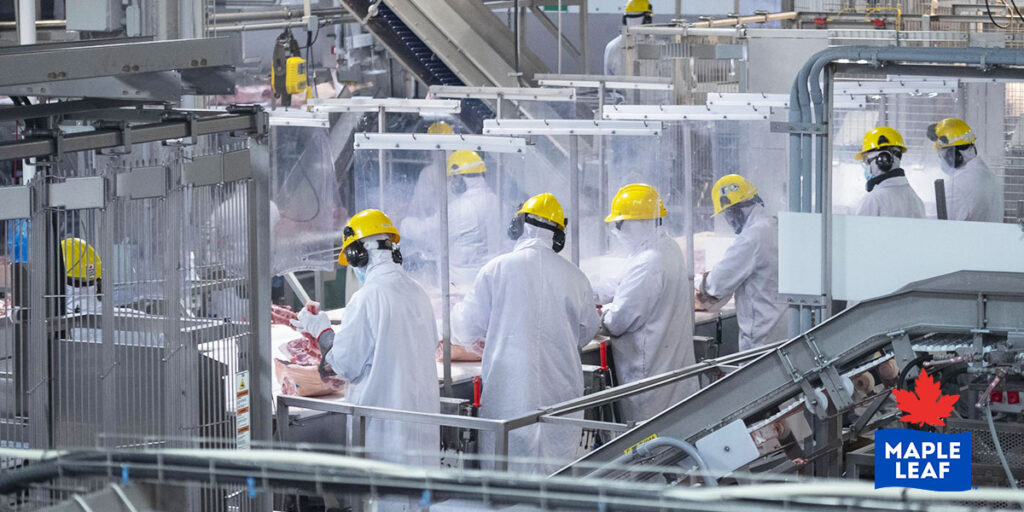
A Trusted Drain Care Service Partner for Maple Leaf Foods
It’s an old plant, very easy to get lost in, but Jonathan and his crew know their way around so well.
As maintenance planner and scheduler at the Maple Leaf Foods processing plant in Toronto, Victor Silva appreciates the expertise of drain cleaning professionals.
Frequently Asked Questions: Environmental & Bio-Digestion Drain Maintenance
Why do environmental and bio-digestion facilities require specialized drain maintenance services?
Environmental and bio-digestion facilities process some of the most complex and chemically active waste streams of any industrial operation. Organic slurries, digestate, biogas condensate, leachate, and high-strength wastewater place extreme demands on drainage infrastructure. Blockages or failures in these systems can halt processing operations, trigger environmental spills, and result in serious regulatory violations. Professional drain maintenance by technicians experienced in bio-digestion environments is essential to keeping these facilities safe, operational, and compliant.
What drainage systems in a bio-digestion or environmental facility require regular maintenance?
Digestate transfer lines, biogas condensate drains, leachate collection systems, process floor drains, equipment wash bay drains, effluent holding tank connections, stormwater catch basins, and wastewater discharge lines all require routine cleaning and inspection. Given the volume and complexity of materials moving through these systems, no part of the drainage infrastructure can afford to be overlooked.
What makes bio-digestion drainage different from standard industrial drain maintenance?
Bio-digestion facilities process living organic material that continues to break down, expand, and generate gas even within drainage systems. Digestate solids accumulate rapidly in drain lines and catch basins, biogas condensate creates corrosive buildup inside pipes, and high-strength organic effluent can harden into stubborn blockages that standard drain cleaning methods cannot effectively address. Technicians servicing these facilities must understand the chemistry and behaviour of bio-digestion byproducts to work safely and effectively.
What are the risks of neglecting drain maintenance in a bio-digestion facility?
Neglected drainage systems in bio-digestion environments can cause digestate backups that flood processing areas, release hydrogen sulfide and other toxic gases from blocked drain lines, contaminate clean water systems with high-strength effluent, and create conditions that violate Ontario Ministry of the Environment regulations and Environmental Compliance Approvals. The consequences of a drainage failure in these facilities extend well beyond the cost of a service call.
Can blocked drains in an environmental facility trigger regulatory penalties?
Yes. Environmental and bio-digestion facilities operate under strict Environmental Compliance Approvals issued by the Ontario Ministry of the Environment, Conservation and Parks. Drainage failures that result in unauthorized discharges, spills, or contamination of soil or waterways can trigger compliance orders, significant financial penalties, and in serious cases, facility shutdowns. Preventive drain maintenance is a non-negotiable component of any environmental facility’s compliance program.
How does Aqua Fast Flush safely handle the hazardous materials found in bio-digestion drainage systems?
Our technicians are trained to work safely in environments containing toxic gases, high-strength organic waste, and corrosive byproducts. We follow strict safety protocols including atmospheric testing prior to entering confined spaces, appropriate personal protective equipment, and safe handling and disposal procedures for all materials removed from bio-digestion drainage systems. Safety is never an afterthought in these environments.
What drain cleaning methods are used in environmental and bio-digestion facilities?
We deploy industrial high-pressure hydro jetting to break down and flush digestate solids, condensate buildup, and organic debris from drain lines and transfer pipes, combined with high-capacity vacuum equipment to pump out catch basins, holding areas, and effluent connections. For heavily scaled or corroded lines, mechanical clearing and drain camera inspection are available to assess system condition and confirm full clearance.
How often should drainage systems in a bio-digestion facility be cleaned?
Maintenance frequency depends on the facility’s processing volume, feedstock type, and system design. High-volume facilities processing food waste, agricultural byproducts, or municipal organics typically require more frequent service intervals due to the rapid accumulation of digestate solids and condensate. A scheduled preventive maintenance program developed in consultation with your operations team is the most effective way to protect drainage infrastructure and avoid unplanned downtime.
Does Aqua Fast Flush have experience working within the safety and compliance requirements of environmental facilities?
Yes. We have extensive experience servicing environmental processing facilities, bio-digestion operations, and waste management sites across Southern Ontario. We understand the unique safety protocols, regulatory obligations, and operational sensitivities of these environments, and we work closely with facility managers, environmental compliance officers, and health and safety teams to ensure every service visit meets the facility’s standards.
How do we set up a drain maintenance program for our environmental or bio-digestion facility?
Contact Aqua Fast Flush to arrange a drainage assessment of your facility. We will evaluate your complete drainage infrastructure, identify high-risk areas, and develop a customized maintenance schedule aligned with your processing cycles, compliance requirements, and operational priorities. Keeping your drainage systems clean and fully operational is how we help you keep your facility running and your environmental commitments intact.