Commercial Food Processing Drain Care Service Solutions
Food processing facilities operate under some of the most stringent hygiene, safety, and environmental standards of any commercial or industrial operation. Production lines running at high volumes, continuous washdown cycles, heavy organic waste loads, animal fats, vegetable oils, food solids, cleaning chemicals, and high-temperature wastewater all pass through a drainage system that must perform without interruption every hour your facility is in production. A blocked floor drain on a processing line, a grease interceptor that has exceeded capacity, or a backed-up sanitary connection does not just slow production. It can trigger a facility shutdown, compromise food safety protocols, invite a public health inspection, and put your operating certifications and regulatory standing at serious risk.
At Aqua Fast Flush, we provide industry leading commercial drain cleaning and drain maintenance services built around the specific and demanding requirements of food processing operations. Our licensed drain care specialists understand the hygiene standards your facility must meet, the production schedules your operations team cannot afford to interrupt, and the regulatory environment that governs every aspect of your facility’s infrastructure. From production floor drains and grease interceptors to washdown area trench drains, rendering room drainage systems, and main sanitary connections, we service the complete scope of food processing drainage infrastructure with the expertise, equipment, and reliability your operation depends on.
Our food processing facility drain maintenance services
Production Floor Drain Cleaning
Production floor drains are among the most heavily used and most frequently blocked drains in any food processing facility. Continuous washdown cycles, food solids, fats, oils, and cleaning chemical residue all enter these drains throughout every production shift, creating conditions where blockages can develop rapidly and without warning. Our food processing drain maintenance experts provide thorough drain cleaning and inspection of production floor drains on a schedule that keeps your lines moving and your facility meeting the hygiene standards your certifications require.
Grease Interceptor Pumping and Cleaning
Food processing facilities generate some of the highest volumes of fats, oils, and grease of any commercial or industrial operation. Grease interceptors that are not pumped and cleaned on a regular schedule will quickly reach capacity, allowing grease to bypass the unit and enter the drainage system downstream, creating blockages, foul odours, and serious compliance risk.
Our food processing interceptor cleaning technicians pump and clean grease interceptors on a maintenance schedule tailored to your production volume, and supply the service documentation your facility needs to demonstrate compliant interceptor maintenance during regulatory and third-party audits.
Trench Drain and Washdown Area Cleaning
Washdown areas, carcass processing zones, and other high-intensity cleaning areas rely on trench drains to manage large volumes of wastewater, organic debris, and cleaning chemicals generated during sanitation cycles.
These drains are exposed to some of the heaviest contaminant loads in the facility and require regular professional cleaning to prevent blockages, standing water, and the hygiene risks that come with a drainage system that is not performing at full capacity. Our drain maintenance team cleans and inspects trench drain systems thoroughly, ensuring they are clear and fully functional before your next production cycle begins.
High-Pressure Hydro Jetting
Grease, fat, protein residue, and food solids that accumulate on the interior walls of drain lines in a food processing facility can harden over time into stubborn deposits that restrict flow and create persistent blockage problems. High-pressure hydro jetting is the most effective method available for removing these deposits completely.
Using pressurized water delivered through specialized nozzles, our hydro jetting service scours the interior walls of your drain lines clean without causing damage to pipe walls, restoring full flow capacity and reducing the frequency of blockages across your facility’s drainage network.
CCTV Camera Drain Inspections
The interior condition of drain lines in a food processing facility is difficult to assess without the right equipment. Our CCTV camera inspection service allows our specialists to inspect the inside of your pipes in real time, identifying grease buildup, partial blockages, pipe deterioration, cracked joints, and root intrusion without excavation or disruption to your production schedule.
Camera pipe and sanitary line inspections provide your facilities team with clear, documented evidence of your pipe condition, supporting proactive maintenance planning and giving you the information you need to address developing problems before they become costly emergencies.
Rendering and Animal Waste Drain Systems
Facilities that process meat, poultry, or seafood face particularly challenging drainage conditions in rendering and animal waste processing areas. The combination of animal fats, blood, proteins, and organic solids that enter these drain systems creates some of the most aggressive blockage and odour conditions of any commercial drainage environment.
Our food processing drain maintenance team has direct experience servicing drainage systems in these high-demand areas and applies the right combination of cleaning methods and equipment to keep these systems clear, compliant, and free of the odour and hygiene issues that come with inadequate drain maintenance.
Catch Basin Cleaning and Stormwater Management
Large food processing facilities typically have extensive paved areas including loading docks, vehicle access routes, and outdoor storage zones where contaminated stormwater runoff must be captured and managed before it reaches the municipal sewer system or local waterways.
Our catch basin cleaning and vacuum extraction service keeps your stormwater infrastructure functioning at full capacity, reducing the risk of surface flooding, environmental contamination, and the regulatory consequences that come with a stormwater management system that is not being properly maintained.
Main Sewer Line Cleaning and Maintenance
The main sewer lines connecting your food processing facility to the municipal system carry the combined wastewater load of every drain, interceptor, and washdown area on your property. Grease accumulation, food solid deposits, and pipe deterioration in these lines can restrict flow across the entire facility and create widespread drainage problems that are difficult and expensive to resolve once they reach a critical point.
We provide scheduled hydro jetting and camera inspection of main sewer lines as a core component of our commercial drain care programs for food processing operations, keeping your primary drainage infrastructure clear and performing at full capacity at all times.
Compliant Waste Disposal
All waste material removed from your drains, interceptors, catch basins, and tanks is transported and disposed of in full compliance with provincial environmental regulations and local municipal requirements.
Food processing drain waste can contain animal fats, food solids, cleaning chemicals, and other regulated materials that require responsible handling and documented disposal. We manage the entire disposal process and provide the documentation your facility needs to demonstrate compliant waste management practices during regulatory inspections and third-party audits.
Need Professional Food Processing Drain Maintenance?
With professional Food Processing drain maintenance expertise since 1990, we ensure your commercial Food Processing facility continues operating without any major drain disruptions.
Our Food Processing Drain Maintenance Process
Assess
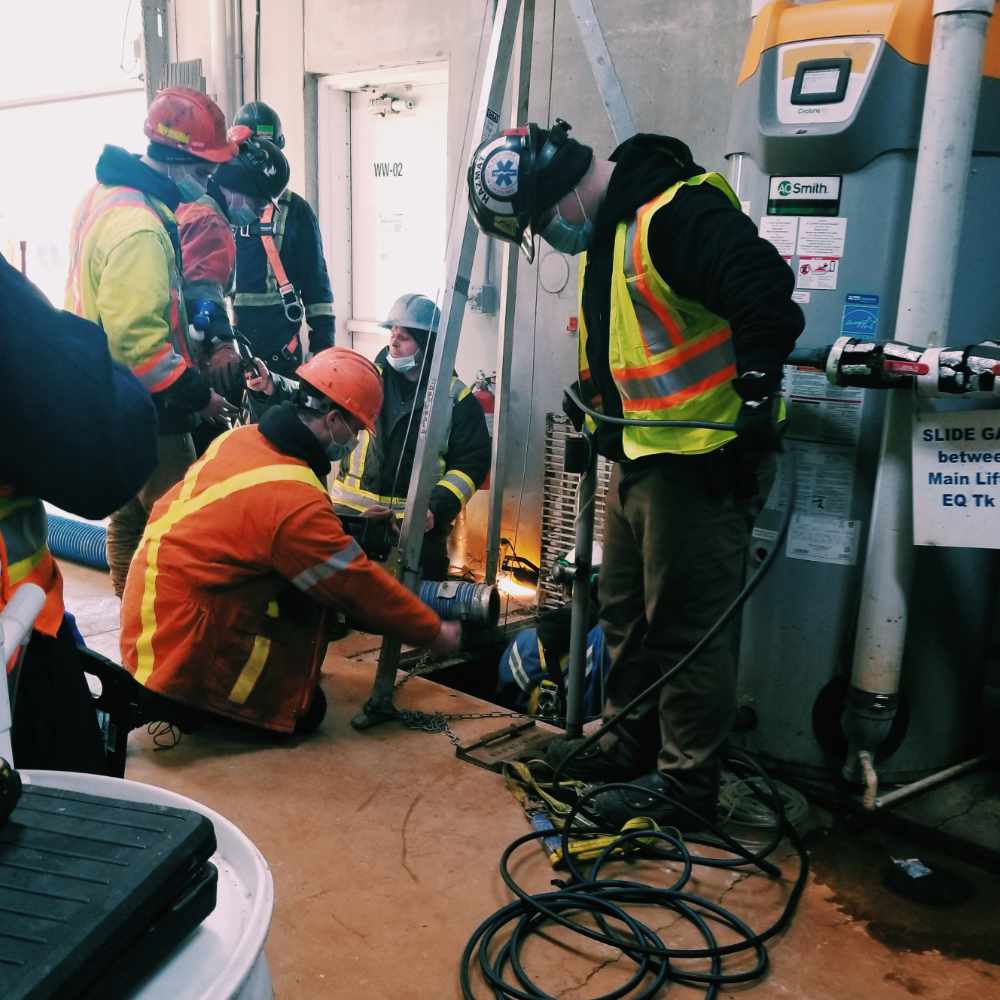
Every food processing facility has a unique drainage infrastructure shaped by the size of the operation, the products being processed, the age of the building, and the volume and nature of the waste streams the system handles every day. Before any work begins, our drain care specialists conduct a thorough on-site assessment of your complete drainage system.
We inspect production floor drains, grease interceptors, trench drains, washdown areas, catch basins, and main sewer connections, and we ask the right questions about your production schedule, sanitation cycles, and any drainage concerns your team has already identified. This gives us a complete and accurate picture of your drainage infrastructure so we can recommend the most effective and cost-efficient course of action for your specific facility.
Complete
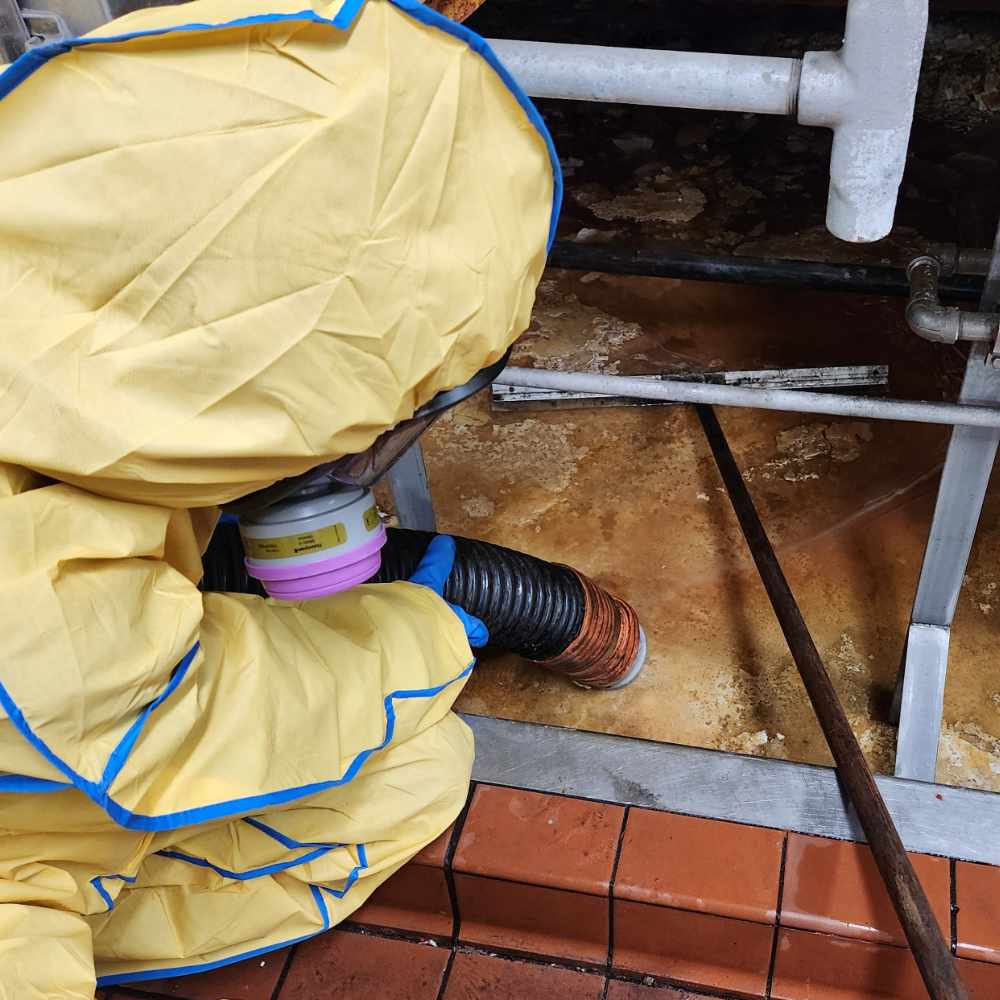
With a clear service plan in place, our licensed drain care technicians get to work. We deploy the right combination of professional drain cleaning services for your facility, whether that means high-pressure hydro jetting to clear grease and food solid deposits from drain lines, grease interceptor pumping and cleaning, production floor drain and trench drain cleaning, catch basin extraction, or CCTV camera inspection to assess pipe condition and verify results.
We work around your production schedule to minimize disruption, and we do not consider the job complete until every drain system we have been engaged to service is clean, clear, and fully operational.
Ensure
Once the work is complete, we do not simply pack up and leave. We walk your facilities team through our findings, explain what we found in plain language, and outline any areas of concern that may require further attention.
All waste materials are removed and disposed of in full compliance with provincial and municipal regulations, and we provide the service documentation your facility needs for regulatory compliance and third-party audit purposes. For long-term protection, we work with your team to establish an ongoing drain care schedule that keeps your drainage infrastructure performing reliably, your facility compliant, and your production operations protected all year round.
Keeping systems clear, safe & compliant

24/7 emergency availability
We know that emergencies can strike at any time. That’s why we always have staff on -call to meet your biggest challenges when you need it most.
Anti-pathogen cleaning systems
Our cleaning systems can help ensure that food safety requirements are always exceeded in your facility. Our technicians are trained and certified in a systemic prevention approach to food safety.
Flexible service, less downtime
We understand that your schedule is crucial. At Aqua, we work around your business hours to ensure our service is performed at a time that won’t interrupt your work, keeping downtime to a minimum.
Industrial-grade tools to blow your biggest problems out of the water
We have industrial-grade trucks and equipment that you won’t find at your average plumber. We’ve never met a clog we can’t unplug.
Fully certified experts in food processing facilities
Our team brings over 30 years of experience resolving pipe, drain and industrial cleanup challenges for food & beverage processing facilities. Our team is fully licensed and certified to ensure compliance with the food processing industry's rigorous health and safety regulations.
Commercial Certifications & Associations To Meet Your Business' Needs
Trusted by Food Processing Operators

QuadReal Property Management: Preventative Drain Maintenance To Avoid Costly Drain Emergencies
Discover how Aqua Fast Flush’s proactive drain maintenance program has helped QuadReal protect its 400,000-square-foot Toronto retail centre by preventing drain backups, reducing operational risk, and keeping tenants and customers moving without disruption.
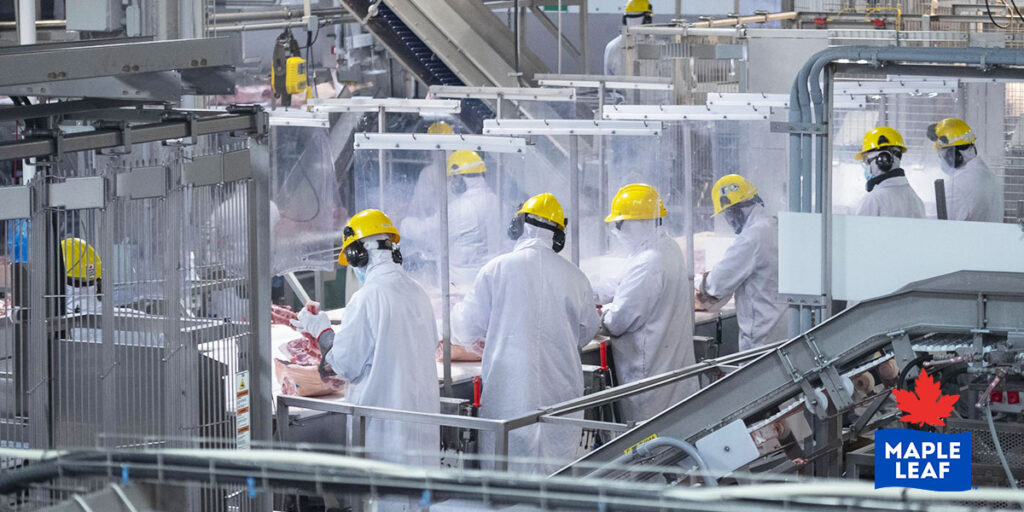
A Trusted Drain Care Service Partner for Maple Leaf Foods
It’s an old plant, very easy to get lost in, but Jonathan and his crew know their way around so well.
As maintenance planner and scheduler at the Maple Leaf Foods processing plant in Toronto, Victor Silva appreciates the expertise of drain cleaning professionals.
Frequently Asked Questions About Commercial Drain Cleaning In Food And Beverage Processing Facilities
What Makes Food And Beverage Processing Facilities Different From Other Commercial Drain Cleaning Customers?
Food and beverage processing facilities produce some of the heaviest and most complex drain loads of any commercial environment. Fats, oils, grease, proteins, sugars, and organic byproducts accumulate rapidly in drain lines, creating blockages, odours, and conditions that attract pests; all of which can trigger serious health and safety violations.
How Often Should Food Processing Facility Drains Be Cleaned?
The frequency depends on your production volume and the type of product being processed. High-volume facilities processing meat, dairy, or oils typically require weekly or bi-weekly drain maintenance, while lower-volume operations may manage with monthly service. A scheduled preventive maintenance plan is always recommended over reactive cleaning.
What Drainage Systems In A Food Processing Facility Need Regular Drain Maintenance?
Floor drains, trench drains, grease interceptors, catch basins, sanitary lines, and wastewater connections all require regular attention. Neglecting any one of these systems can create backups that spread across the facility floor and compromise surrounding drain infrastructure.
Can Blocked Drains In A Food Processing Facility Trigger Compliance Violations?
Yes. Blocked or overflowing drains can violate CFIA regulations, local health codes, and municipal wastewater bylaws. Maintaining clean, fully operational drainage systems is a core component of any food safety compliance program.
What Methods Does Aqua Fast Flush Use To Clean Processing Facility Drains?
We use high-pressure hydro jetting to break down and flush grease, protein buildup, and organic debris from drain lines, combined with industrial vacuum equipment to clear catch basins and interceptors. For severe blockages, drain snaking and mechanical clearing are also available.
Can Aqua Fast Flush Work Around Our Production Schedule?
Absolutely. We understand that production downtime is not an option for most food and beverage processors. Our team offers flexible scheduling including evenings, weekends, and planned shutdown periods to ensure drain maintenance never interrupts your operations.
What Is A Grease Interceptor And Why Does It Need Regular Cleaning?
A grease interceptor captures fats, oils, and grease before they enter the municipal sewer system. In food processing environments, interceptors fill rapidly and must be pumped and cleaned on a regular schedule to remain effective. A neglected interceptor can overflow back into your facility and result in significant fines from your municipality.
How Do We Get Started With A Food Processing Preventive Drain Maintenance Plan?
Contact Aqua Fast Flush to schedule a free drainage assessment of your food processing facility. We will evaluate your drain infrastructure, identify high-risk areas, and work with you to create a customized food processing preventative drain maintenance program that keeps your systems clean, compliant, and fully operational year-round.
Does The Company Have A Drain Maintenance Program For The Winter?
Yes, Aqua Fast Flush offers a professional winter drainage maintenance program that ensures your food processing facility is protected throughout the winter. Using our commercial grade equipment, we professionally flush and vacuum out any debris and provide the care your drains require.