Grocery Store Drain Cleaning Services
Grocery stores run on a mix of retail floor space, food prep areas, bakeries, delis, and cold storage – each with its own drainage demands and each vulnerable to the same problem: a blocked or slow drain that shows up as standing water, odour, or a shutdown in a customer-facing area.
We provide drain cleaning services for grocery stores and supermarkets across Ontario, helping store managers and facilities teams keep drains, floor drains, and grease traps running clean, so customers keep shopping and inspections keep passing.
Our grocery store drain maintenance services
We support grocery stores, supermarkets, and food retail operators across Southern Ontario with drain maintenance services suited to a store that never really closes to customers.
Bakery & Deli Grease Trap Cleaning
Pump-out and cleaning of grease traps serving in-store bakeries, delis, and prepared food areas, helping you stay compliant and avoid overflow during high-volume periods.
Floor Drain Cleaning
Cleaning of floor drains throughout meat cutting rooms, produce prep areas, and cleaning stations to prevent standing water, odour, and slip hazards on the sales floor and in back-of-house areas.
Refrigeration & Cold Storage Drain Cleaning
Cleaning of condensate and drainage lines serving refrigeration units and cold storage areas to prevent backups that can affect product storage and food safety.
Drain Line Flushing & Jetting
Hydro-jetting of sanitary drain lines to clear grease and organic buildup, reducing the frequency of repeat blockages across the store’s plumbing system.
Emergency Drain Response
Rapid response for blocked or backed-up drains, minimizing disruption to the sales floor, food prep areas, and customer experience during store hours.
CCTV Drain Inspections
Camera inspection to identify the cause of recurring blockages, verify service completion, or support planning ahead of a store renovation or health inspection.
Preventive Drain Maintenance Programs
Scheduled drain cleaning programs timed around your store’s operating hours and delivery schedule, reducing the risk of drainage issues during peak shopping periods.
Waste Transport & Disposal
Transport and disposal of grease and waste material in accordance with municipal and provincial regulations, with documentation available to support health inspection and compliance records.
Need Grocery Store Drain Maintenance?
With commercial grocery store drain maintenance expertise since 1990, we ensure your grocery store or supermarket continues operating without any major drain disruptions.

Keeping systems clear, safe & compliant

24/7 emergency availability
We know that emergencies can strike at any time. That’s why we always have staff on -call to meet your biggest challenges when you need it most.

Anti-pathogen cleaning systems
Our cleaning systems can help ensure that food safety requirements are always exceeded in your facility. Our technicians are trained and certified in a systemic prevention approach to food safety.

Flexible service, less downtime
We understand that your schedule is crucial. At Aqua, we work around your business hours to ensure our service is performed at a time that won’t interrupt your work, keeping downtime to a minimum.

Industrial-grade tools to blow your biggest problems out of the water
We have industrial-grade trucks and equipment that you won’t find at your average plumber. We’ve never met a clog we can’t unplug.
Fully certified experts in food processing facilities
Our team brings over 30 years of experience resolving pipe, drain and industrial cleanup challenges for food & beverage processing facilities. Our team is fully licensed and certified to ensure compliance with the food processing industry's rigorous health and safety regulations.
Commercial Certifications & Associations To Meet Your Business' Needs

Trusted by industry leaders

QuadReal Property Management: Preventative Drain Maintenance To Avoid Costly Drain Emergencies
Discover how Aqua Fast Flush’s proactive drain maintenance program has helped QuadReal protect its 400,000-square-foot Toronto retail centre by preventing drain backups, reducing operational risk, and keeping tenants and customers moving without disruption.
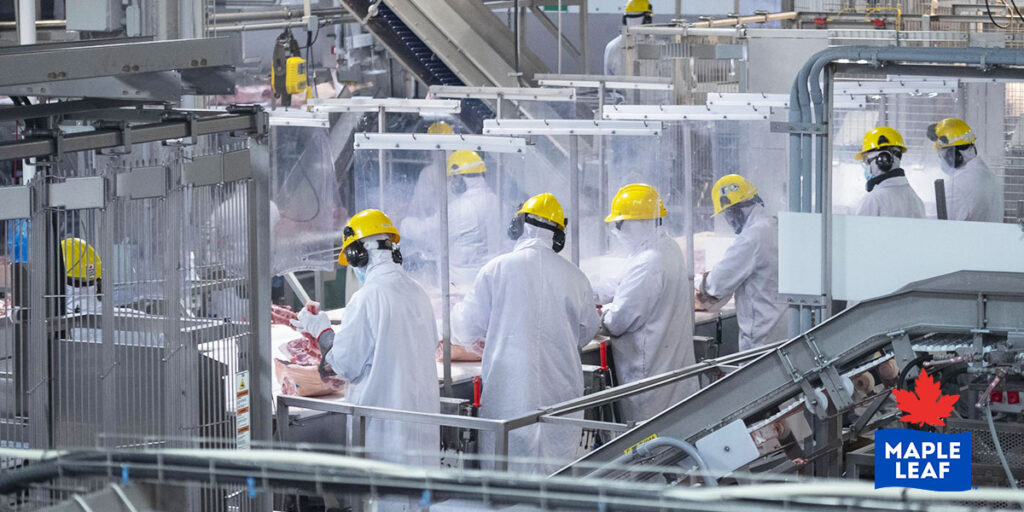
A Trusted Drain Care Service Partner for Maple Leaf Foods
It’s an old plant, very easy to get lost in, but Jonathan and his crew know their way around so well.
As maintenance planner and scheduler at the Maple Leaf Foods processing plant in Toronto, Victor Silva appreciates the expertise of drain cleaning professionals.
Frequently Asked Questions For Grocery Store Drain Cleaning Services
Why do grocery stores require professional drain cleaning services?
Grocery stores operate in one of the most drain-intensive retail environments of any commercial property. Meat and seafood department floor drains, produce misting and refrigeration condensate lines, deli and bakery floor drains, commercial kitchen and hot food service grease lines, bottle return areas, and high-frequency public washroom use all place continuous and varied demands on grocery store drainage infrastructure every single day. A drainage failure in a grocery store creates immediate food safety risks, health code violations, and a customer experience that damages your brand and drives shoppers elsewhere. Professional drain cleaning keeps every department in your store clean, compliant, and fully operational.
What drainage systems in a grocery store require regular professional maintenance?
Meat and seafood department floor drains, produce department floor drains and condensate lines, deli counter and hot food service floor drains, bakery floor drains, commercial kitchen grease lines and interceptors, bottle return area drains, customer washroom floor drains, receiving dock drains, refrigeration equipment condensate drains, exterior parking lot catch basins, and underground sanitary mains all require routine cleaning and inspection. In a full-service grocery store, the diversity and volume of drainage demands across departments makes a comprehensive maintenance program essential.
How does grocery store drainage differ from other retail drain cleaning?
Grocery stores are fundamentally different from standard retail environments because they combine the drainage demands of a food processing facility, a commercial kitchen, a high-traffic public space, and a receiving and logistics operation all under one roof. Meat and seafood departments generate blood, fat, and protein waste that accumulates aggressively in floor drains. Produce departments introduce soil, organic debris, and misting water into drainage systems. Deli and hot food service areas produce grease loads comparable to a busy restaurant. No other retail environment places this level and variety of demand on its drainage infrastructure.
What are the food safety risks associated with neglected grocery store drains?
Neglected drains in a grocery store are a serious food safety hazard. Backed-up or slow-running floor drains in meat, seafood, and deli departments allow organic waste to pool on department floors, creating conditions that support the growth of Listeria, Salmonella, E. coli, and other foodborne pathogens. Drain flies and other pests are attracted to organic buildup in neglected drain lines and can rapidly compromise food safety standards across the store. Health inspectors who identify drainage deficiencies during a routine inspection can issue orders that result in department closures and significant operational disruption.
How often should grocery store drains be professionally cleaned?
Meat, seafood, and deli department floor drains typically require the most frequent attention given the volume and nature of organic waste they handle, often monthly or bi-monthly depending on sales volume. Grease interceptors serving hot food and kitchen areas require regular pump-out and cleaning in compliance with municipal fats, oils, and grease bylaws. Produce department drains, washroom floor drains, and receiving dock drains benefit from quarterly maintenance at minimum. A professional drainage assessment is the most reliable way to establish the right service schedule for your specific store format and volume.
How does Aqua Fast Flush minimize disruption to store operations and customers during drain cleaning?
We coordinate all service visits directly with store managers and facility teams to ensure drain maintenance is completed with minimal disruption to department operations and the customer shopping experience. We offer flexible scheduling including overnight, early morning before store opening, and low-traffic period service to ensure cleaning is completed before your store opens its doors and your departments begin their daily operations.
How do we set up a preventive drain maintenance program for our grocery store?
Contact Aqua Fast Flush to arrange a comprehensive drainage assessment of your store. We will evaluate your drain infrastructure across every department, assess grease interceptor condition, identify high-risk areas based on your store format and sales volume, and develop a customized maintenance schedule that keeps your grocery store clean, compliant, and fully operational every day you are open for business.