Waste Management and Recycling Facilities Drain Cleaning
Need Professional Waste Management Drain Maintenance?
With professional waste management drain maintenance expertise since 1990, we ensure your landfills and recycling facilities continue operating without any major drain disruptions.

Professional Drain Cleaning for Waste Management and Recycling Facilities

24/7 emergency availability
We know that emergencies can strike at any time. That’s why we always have staff on -call to meet your biggest challenges when you need it most.

Anti-pathogen cleaning systems
Our cleaning systems can help ensure that food safety requirements are always exceeded in your facility. Our technicians are trained and certified in a systemic prevention approach to food safety.

Flexible service, less downtime
We understand that your schedule is crucial. At Aqua, we work around your business hours to ensure our service is performed at a time that won’t interrupt your work, keeping downtime to a minimum.

Industrial-grade tools to blow your biggest problems out of the water
We have industrial-grade trucks and equipment that you won’t find at your average plumber. We’ve never met a clog we can’t unplug.
Fully certified experts in food processing facilities
Our team brings over 30 years of experience resolving pipe, drain and industrial cleanup challenges for food & beverage processing facilities. Our team is fully licensed and certified to ensure compliance with the food processing industry's rigorous health and safety regulations.
Commercial Certifications & Associations To Meet Your Business' Needs
Trusted by Waste Management Operators and Recycling Facility Managers Across Ontario

QuadReal Property Management: Preventative Drain Maintenance To Avoid Costly Drain Emergencies
Discover how Aqua Fast Flush’s proactive drain maintenance program has helped QuadReal protect its 400,000-square-foot Toronto retail centre by preventing drain backups, reducing operational risk, and keeping tenants and customers moving without disruption.
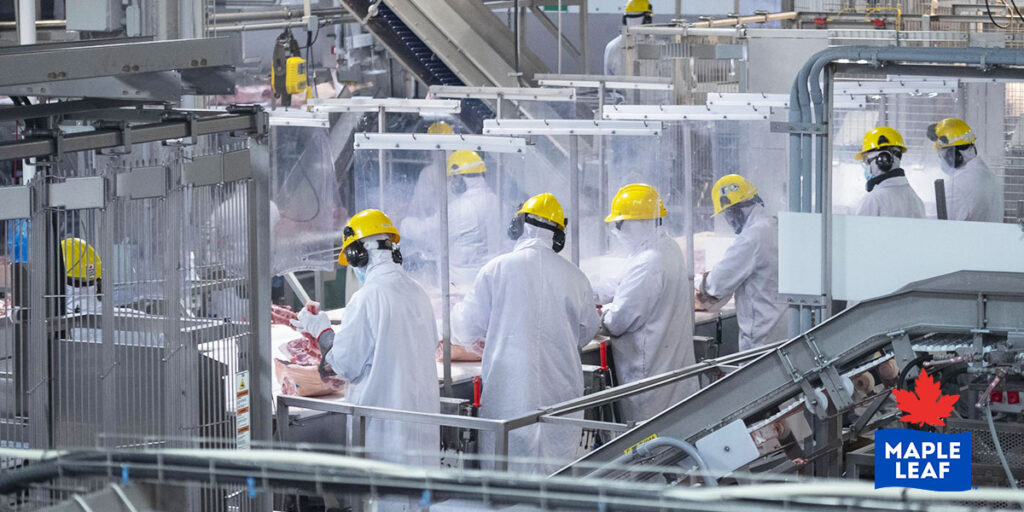
A Trusted Drain Care Service Partner for Maple Leaf Foods
It’s an old plant, very easy to get lost in, but Jonathan and his crew know their way around so well.
As maintenance planner and scheduler at the Maple Leaf Foods processing plant in Toronto, Victor Silva appreciates the expertise of drain cleaning professionals.
Frequently Asked Questions About Commercial Drain Cleaning for Waste Management and Recycling Facilities
Why do waste management and recycling facilities require professional drain cleaning services?
Waste management and recycling facilities operate some of the most demanding and complex drainage environments of any commercial or industrial property. Leachate from organic waste, petroleum and fuel runoff from heavy equipment, chemical residue from recycling operations, high volumes of contaminated stormwater, and continuous large-vehicle traffic across expansive paved surfaces all place relentless and varied stress on facility drainage infrastructure every day the operation is running. A drainage failure at a waste management or recycling facility is never a minor inconvenience.
It disrupts operations, creates serious health and safety hazards for workers on site, and can trigger environmental inspections and regulatory consequences for facilities teams responsible for maintaining compliant infrastructure across a large and complex property. Professional drain cleaning keeps every component of your facility’s drainage system protected, compliant, and fully operational throughout the entire year.
What drainage systems at a waste management or recycling facility require regular professional maintenance?
Leachate collection pipes, sumps, and storage components, oil and grease interceptors, catch basins and storm drains across vehicle access routes and processing areas, floor drains and trench drains in indoor processing areas and wash bays, tipping floor drainage connections, main sewer lines connecting the facility to the municipal system, and any holding tanks or settling ponds connected to the drainage infrastructure all require routine cleaning and inspection.
At large-scale waste management and recycling operations where drainage infrastructure spans multiple structures and processing zones built across different periods, the age and condition of systems varies significantly, making regular professional assessment and maintenance essential to identifying vulnerabilities before they become costly emergencies or environmental incidents.
What are the unique drainage challenges faced by waste management and recycling facilities?
Waste management and recycling facilities present drainage challenges that stem directly from the nature, volume, and toxicity of the materials their systems are exposed to on a daily basis. Leachate produced by decomposing organic waste is highly corrosive and accelerates the deterioration of pipe walls, joints, and collection system components over time. Oil and grease interceptors at facilities that service heavy equipment on site can reach capacity rapidly, and an interceptor that is not cleaned on schedule will allow petroleum products to bypass the unit entirely and enter the drainage system downstream.
Catch basins across large paved processing and vehicle access areas accumulate silt, debris, and contaminants at a rate far exceeding that of a standard commercial property, making them prone to overflow during periods of heavy rainfall. Chemical runoff from recycling operations adds a further layer of complexity, requiring careful management to maintain compliance with municipal sewer use bylaws and provincial environmental regulations. Managing drainage effectively across this range of conditions demands a coordinated, facility-wide maintenance approach delivered by specialists with direct experience in industrial and environmental drain care.
Can drainage failures at a waste management or recycling facility trigger regulatory and environmental consequences?
Yes. Waste management and recycling facilities are subject to Ontario’s Environmental Protection Act, municipal sewer use bylaws, provincial waste management regulations, and a range of occupational health and safety requirements that govern the condition and compliance of facilities infrastructure. A failing leachate collection system that allows leachate to escape into surrounding soil or groundwater can constitute a serious environmental violation with significant financial penalties and potential operational consequences.
An oil and grease interceptor that overflows and allows petroleum products to enter the municipal sewer system exposes the facility to immediate regulatory action. Flooded processing areas and wash bays create slip and fall hazards and unsafe working conditions that put the facility in violation of occupational health and safety standards. Proactive drain maintenance across the full scope of your facility’s drainage infrastructure is a fundamental operational and compliance responsibility that no waste management or recycling operation can afford to overlook.
How do we establish a preventive drain maintenance program for our waste management or recycling facility?
Contact Aqua Fast Flush to arrange a comprehensive drainage assessment of your facility. We work with waste management operators, recycling facility managers, and operations teams across Ontario to develop customized drain maintenance programs that address the full scope of drainage infrastructure across every zone and building type on your property.
From grease interceptors to catch basins, floor drains, trench drains, and main sewer connections, our team delivers scheduled maintenance that keeps your facility compliant, operational, and protected from the environmental and regulatory risks that come with neglected drainage infrastructure. We understand the operational demands of waste management and recycling facilities and schedule service to align with your operational calendar, minimizing disruption while ensuring every component of your drainage system receives the professional attention it requires.