Commercial Catch Basin Cleaning
A neglected catch basin is more than just a nuisance. For commercial properties, blocked or overflowing catch basins can lead to flooding, property damage, compliance issues, and a poor experience for customers and staff. Keeping your catch basins clean and functioning properly is an essential part of maintaining a safe and operational property.
Our commercial catch basin cleaning service is built for businesses that cannot afford downtime or drainage failures. Using a combination of high-pressure water jetting and industrial vacuum trucks, we remove accumulated debris, sediment, sludge, and hazardous materials from catch basins of all sizes.
Whether you manage a small retail parking lot, a large industrial facility, or a multi-site commercial portfolio, we have the equipment and experience to handle the job efficiently and thoroughly. We serve a wide range of industries including food and beverage processing, property management, warehousing, construction, hospitality, healthcare, and more. Our technicians are confined-space and hazmat certified, meaning we can safely handle even the most demanding catch basin cleaning situations without putting your team or property at risk.
Beyond one-time cleanouts, we offer scheduled maintenance programs that keep your drainage infrastructure clear year-round, helping you stay ahead of blockages, avoid emergency calls, and extend the lifespan of your drainage system. Regular catch basin cleaning is one of the most cost-effective investments a property owner or facilities manager can make.
What is commercial catch basin cleaning?
Commercial catch basin cleaning removes accumulated sediment, sludge, debris, oil, grease, and other material from catch basins and drainage collection points. Industrial vacuum equipment and, where required, high-pressure water jetting are used to restore drainage capacity and reduce the risk of flooding and blockages.
Trusted by industrial and food processing operators
When you need fast and professional catch basin cleaning, Aqua Fast Flush is simply the most reliable and experienced choice.

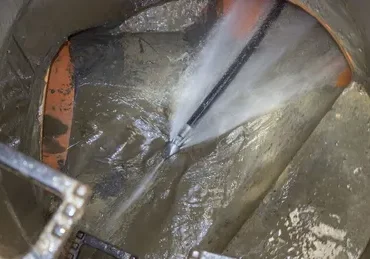
Commercial Catch Basin Cleaning Services
Catch basins play a critical role in stormwater management, and neglected basins quickly lose capacity to sediment, debris, and organic buildup. We provide commercial catch basin cleaning services across Southern Ontario, helping municipalities maintain drainage capacity, prevent localized flooding, and meet environmental compliance obligations tied to stormwater infrastructure.
Routine Catch Basin Cleaning
Scheduled vacuum cleaning of catch basins to remove accumulated sediment, debris, and organic material before it restricts flow or contributes to downstream blockages.
Pre-Storm Season Preparation
Proactive cleaning ahead of spring runoff and storm season to maximize drainage capacity and reduce the risk of localized flooding during heavy rain events.
Post-Construction Catch Basin Cleaning
Removal of construction-related sediment and debris from catch basins near active build sites, supporting site environmental compliance and preventing premature system blockage.
Catch Basin Inspection & Condition Assessment
Visual and camera inspection of catch basin structures to identify damage, structural deterioration, or blockages requiring repair or follow-up attention.
Sump Depth & Capacity Monitoring
Tracking of sediment accumulation and sump depth across a municipality’s catch basin network to inform cleaning schedules and long-term asset management planning.
Waste Transport & Disposal
Removed material is transported and disposed of in accordance with municipal and provincial waste handling regulations, with documentation available for environmental compliance and reporting.
Our Commercial Catch Basin Cleaning Process
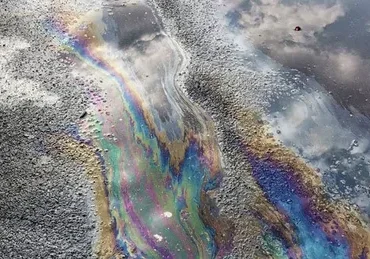
Commercial catch basins take on a heavy workload. Parking lots, loading docks, drive-throughs, and paved commercial surfaces channel large volumes of runoff, oil, grease, litter, and sediment into catch basins every single day. Without regular cleaning, that accumulation restricts drainage, creates overflow risks, and can lead to costly property damage and regulatory issues. Here is how we handle the job from start to finish.
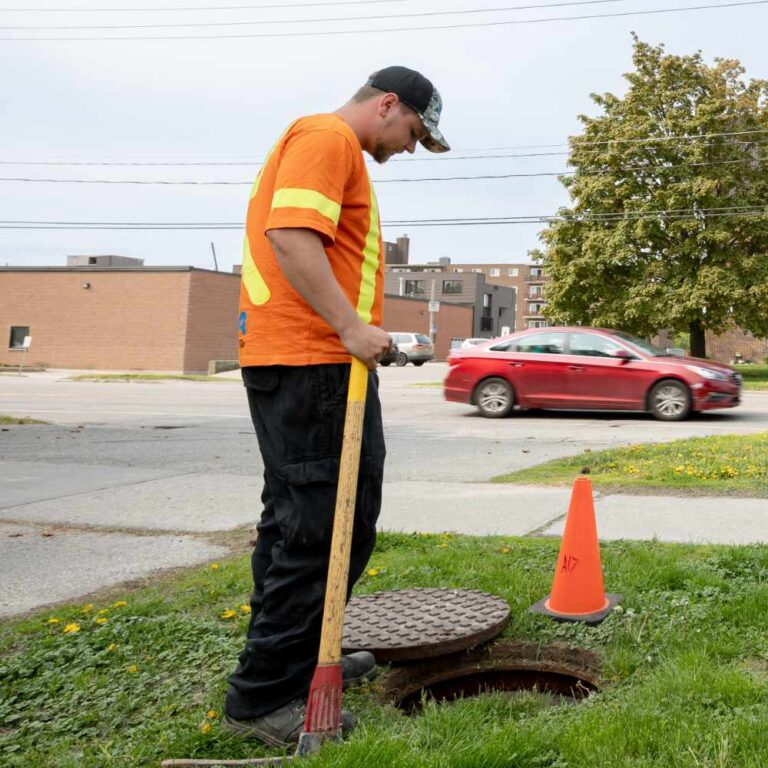
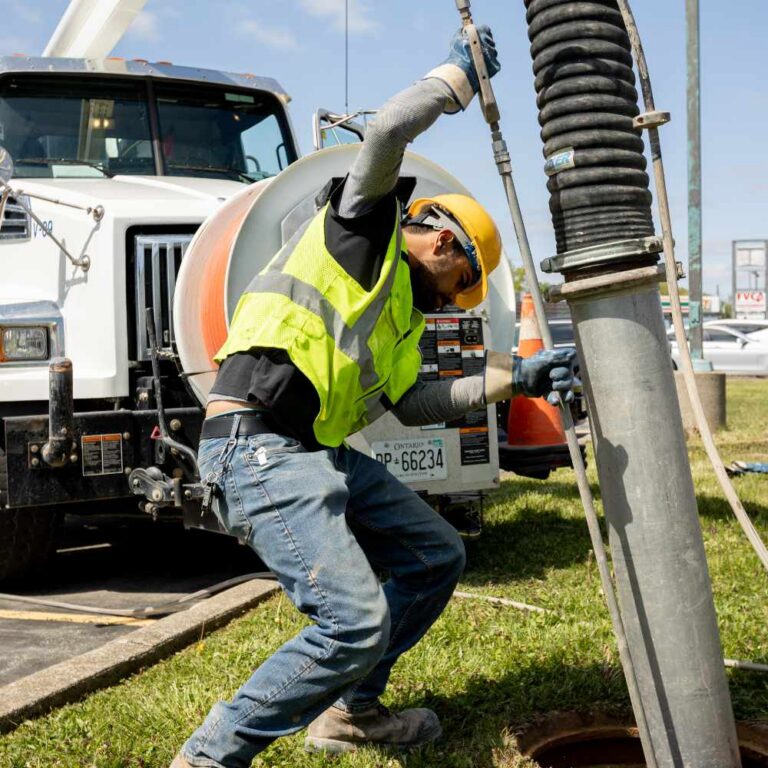
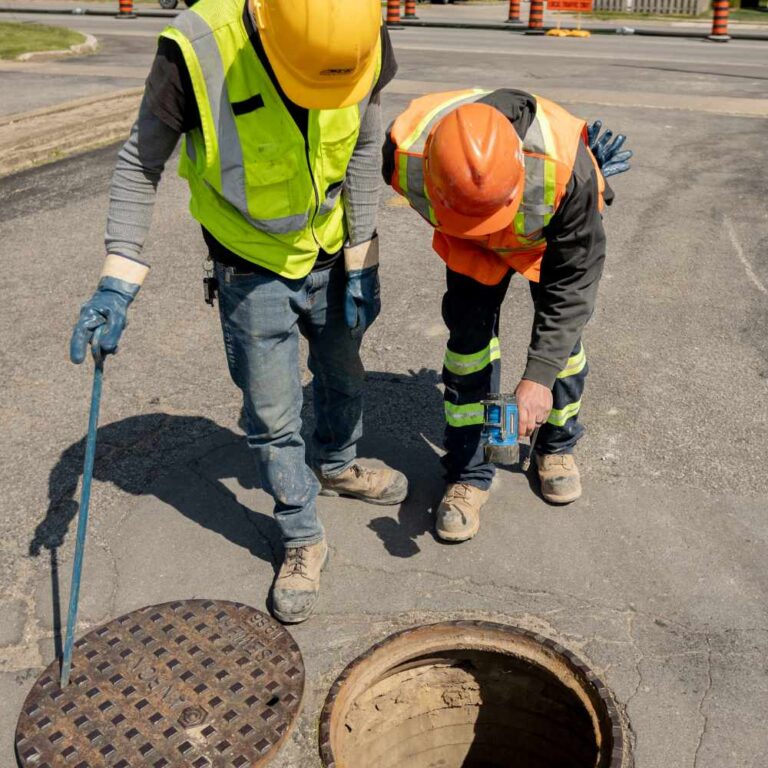
Assess
We begin by walking your property to locate and assess every catch basin on site. Commercial properties often have multiple basins spread across parking lots, service lanes, and loading areas, and each one can be at a different stage of buildup. We note which basins are partially blocked, which are at capacity, and which have drainage or structural concerns. This gives us a clear plan before any equipment is deployed.
Complete
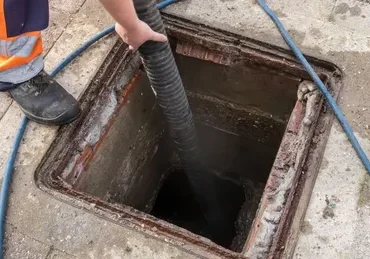
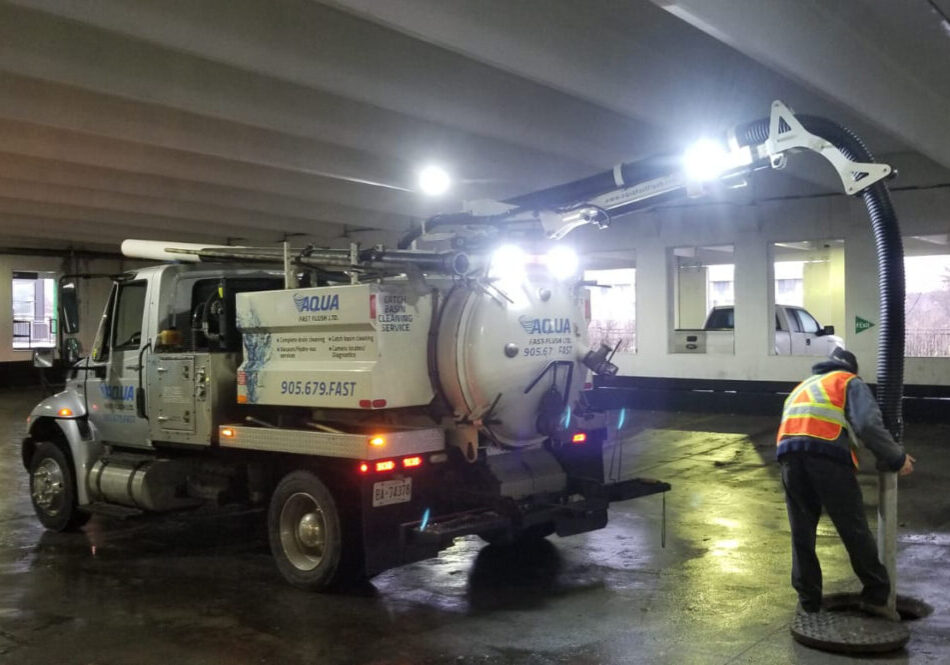
Our catch basin cleaning technicians use high-pressure hydro jetting to break up and dislodge the heavy mix of grease runoff, road salt sediment, and compacted silt common in commercial settings, loosening material from basin walls, sumps, and connected drain lines. Our industrial vacuum trucks then pull out everything including wastewater, sludge, debris, and solids. For busy sites with multiple basins, our equipment handles high volumes efficiently and we work around your business hours and vehicle traffic wherever possible to keep disruption to a minimum. All extracted material is transported and disposed of in full compliance with provincial regulations and local municipal requirements, with complete documentation provided confirming compliant disposal.
Ensure
Once each basin is cleared, we inspect the structure for cracks, deteriorating frames, damaged grates, and drainage concerns that could cause problems between service visits. We document our findings and share them with you directly, catching structural issues early before they become costly repairs. We then work with you to establish a maintenance schedule based on your site traffic, operations, and seasonal conditions, maintaining service records for every visit to support property audits, insurance purposes, or municipal compliance requirements.
Expert technicians. High-powered equipment.
Our vacuum and jetting trucks combine high-pressure water and industrial suction to efficiently clean and clear virtually any commercial catch basin, no matter the size or condition.

Rapid and Reliable Service
Our reliable equipment and skilled team deliver fast, thorough cleaning tailored to your needs. With Aqua Fast Flush, you can expect minimal disruption and quick response times to keep your roads clean and traffic moving.
High-powered equipment
We use specialized equipment to clean your surfaces quickly and thoroughly, helping you stay productive. Our tools are built for performance, making it easier to tackle tough jobs and deliver consistent, high-quality results every time.

Enhanced road safety
Aqua Fast Flush’s road cleaning services ensure debris-free thoroughfare maintenance that significantly reduces accident risks. Our expert team and advanced cleaning methods create safer driving environments for both motorists and pedestrians, helping to keep roads in optimal condition.

Confined-space & hazmat certified
Our team has the training and certification to handle your confined spaces safely and effectively. Resolve your issues fast and ensure regulatory compliance when you choose to work with us.

Extend your equipment lifespan
It's well known that properly maintained equipment lasts longer. So investing in predictive maintenance today can lead to big savings down the line.
“Aqua Fast Flush never fails. I can go home and relax, and I know there is going to be a follow-up call right away and I know that the job will be done right the first time...”
Victor Silva
Maintenance planner, Maple Leaf Foods
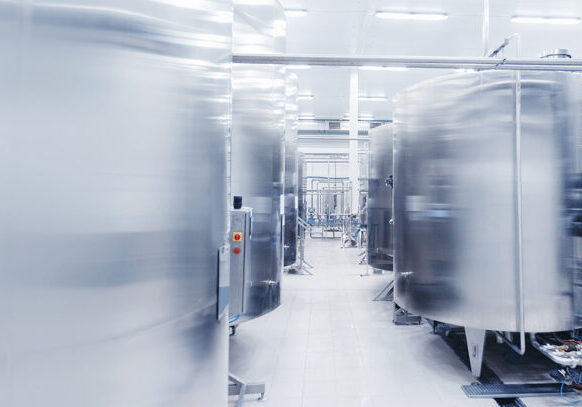
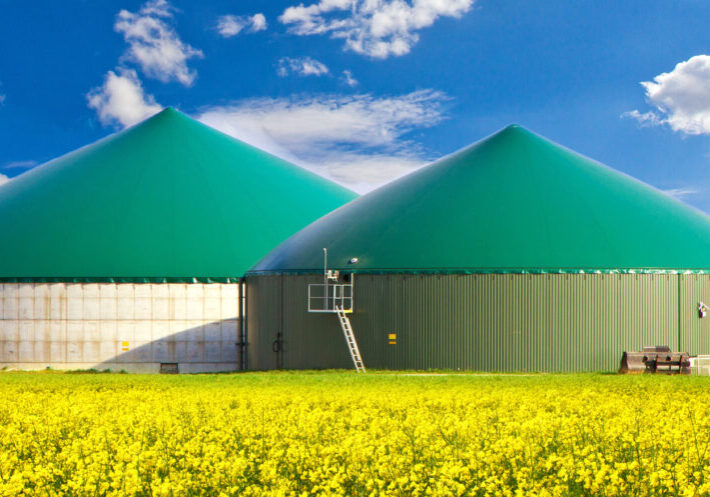
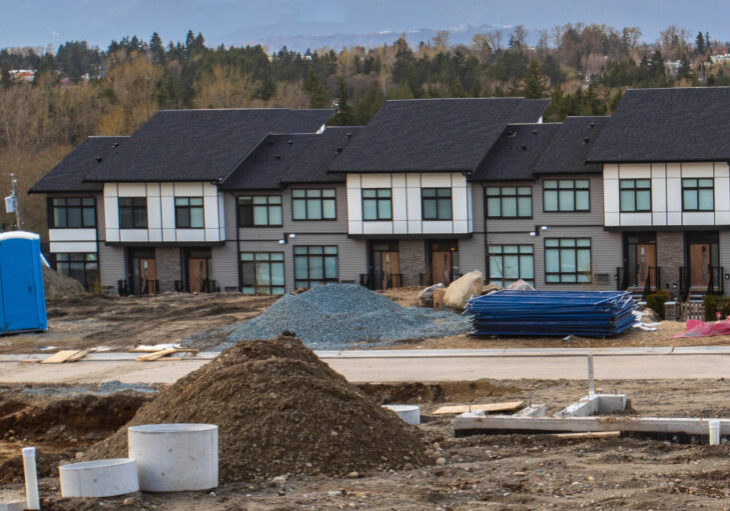
Industries Relying on Our Comprehensive Catch Basin Cleaning & Maintenance Solutions





- « Previous
- 1
- 2
Frequently Asked Questions About Commercial Catch Basin Cleaning
How often should a commercial catch basin be cleaned?
The right cleaning frequency depends on the type of business you operate and the volume of activity on your property. High-traffic commercial sites such as shopping centres, fast food drive-throughs, gas stations, and industrial yards typically require catch basin cleaning two to four times per year due to the heavy accumulation of debris, oil, and sediment that builds up quickly in those environments. Standard commercial properties such as office buildings, retail plazas, and warehouses can often get by with one to two cleanings per year. That said, properties in areas that experience heavy winter road salting, as is common throughout the Niagara Region, may need additional attention in the spring to clear out the sand and salt residue that accumulates during the colder months. A site assessment from our team can help you determine the right schedule for your specific property.
What happens if I do not clean my commercial catch basins regularly?
Neglected catch basins create a chain of problems that gets more serious and more expensive the longer it goes unaddressed. As debris, sediment, and sludge accumulate, the basin loses its capacity to handle runoff. This leads to standing water and flooding on your parking lot or service areas during rain events, which creates slip hazards for customers and employees and can cause damage to your pavement and property. Blocked catch basins can also cause runoff to bypass the drainage system entirely and flow into areas where it should not, potentially resulting in environmental violations and municipal fines. In some cases, deteriorating or overburdened basins can contribute to pavement failures and sinkholes in parking lots and laneways, which are costly to repair and pose serious safety risks.
Are there regulations around commercial catch basin cleaning and waste disposal?
Yes. Commercial property owners in Ontario have a responsibility to maintain their drainage infrastructure and ensure that waste removed from catch basins is disposed of properly. Catch basin waste from commercial properties often contains petroleum products, heavy metals, road salts, and other materials that are classified as regulated waste under provincial environmental guidelines. Improper disposal of this material can result in significant fines and environmental liability for your business. When you work with us, all waste is transported and disposed of in full compliance with Ontario regulations and local municipal requirements. We handle all documentation and disposal logistics so your business remains protected and compliant throughout the process.
Can catch basin cleaning be done without disrupting my business or customers?
In most cases, yes. Our team is experienced at working around active commercial sites and we schedule service at times that cause the least disruption to your operations and your customers. For retail properties, we can work early in the morning before your doors open or in the evening after closing. For industrial and warehousing facilities that operate around the clock, we coordinate with your facilities team to access catch basins in sections so your traffic flow and operations are not interrupted. Our equipment is self-contained, which means the cleaning and extraction process is efficient and does not create a mess on your property. Most commercial catch basin cleaning jobs are completed within a few hours depending on the number of basins and the volume of buildup present.
What types of properties need commercial catch basin cleaning?
Commercial catch basin cleaning is commonly required at shopping centres, retail plazas, warehouses, industrial facilities, food and beverage processing sites, construction sites, healthcare facilities, and other properties where runoff carries sediment and debris into drainage infrastructure.